
Best Time to See the Northern Lights in Alaska (Month-by-Month Guide)
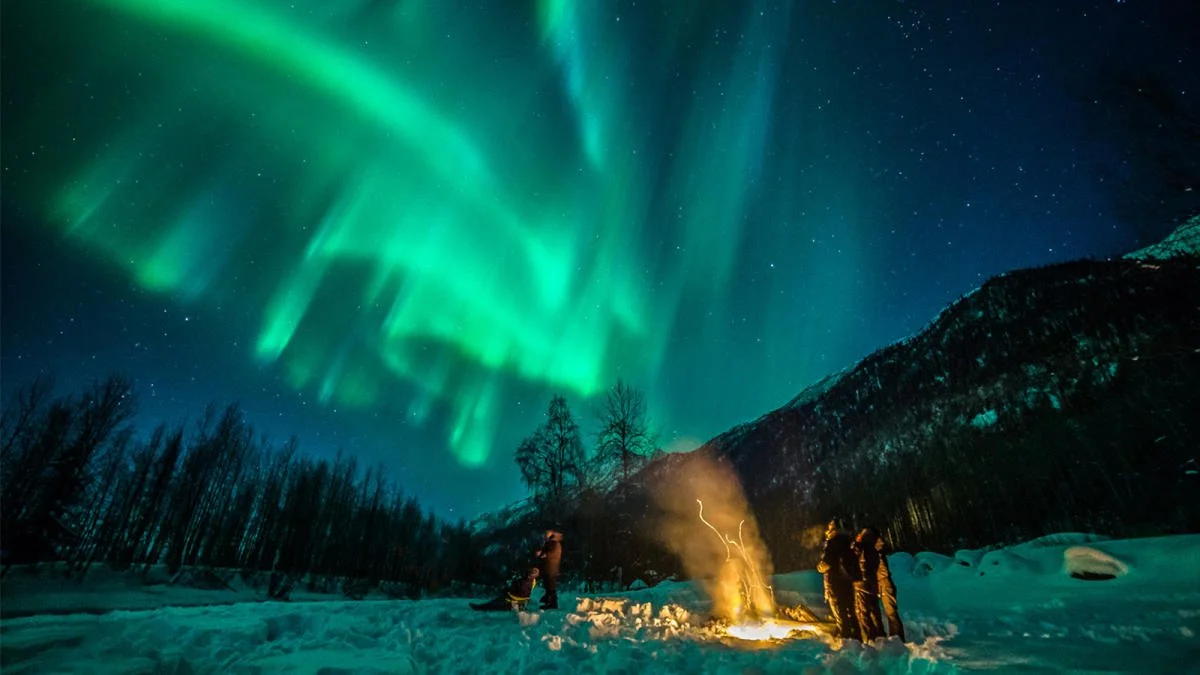
There's nothing quite like watching the Northern Lights ripple across an Alaska sky. Whether it's your first time chasing the aurora or you're finally checking it off the bucket list, timing is everything. Alaska offers some of the best Northern Lights viewing in the world, but conditions change a lot depending on the month, the weather, and where you're headed.
Below is a straightforward month-by-month guide to help you plan the perfect aurora adventure—plus a few local tips that make a big difference.
🌌 Why Alaska Is One of the Best Places on Earth for Aurora Viewing
Alaska sits directly under the Auroral Oval, the band of magnetic energy around the poles where aurora activity is strongest. Places like Fairbanks, Talkeetna, and even Anchorage get consistent displays from fall through spring.
If you want the highest chance of seeing the Lights, a guided tour helps a lot. Local guides know cloud patterns, viewing spots, and where the sky tends to open up.
👉 Check availability for our Northern Lights Tours — spots fill fast →
Best Months to See the Northern Lights (Ranked)
Here's the quick breakdown before we go deeper:
Rating Months ⭐ Best September, October, February, March ✅ Good November, December, January 🌅 Possible but rare April, late August
Now let's go month by month.
Month-by-Month Aurora Guide
August
Aurora possible: Late August
Darkness: Returns slowly after summer
Pros: Warm nights, fewer crowds
Cons: Skies stay light for most of the month
If you visit in late August, aim for the last week.
September ⭐
One of the best months of the year
Darkness: Long enough for viewing
Weather: Relatively mild
Landscape: Fall colors — amazing for photography
September is a perfect mix of darkness, stable weather, and comfortable temperatures. Many locals think this is the most underrated month for aurora.
October ⭐
Prime time continues
Nights: Very dark
Weather: Cooler but still manageable
Crowds: Drop off sharply
October is incredible for consistent viewing. This is when tours really start to fill up — if you're planning to go out with a guide, booking ahead makes a real difference.
👉 See October tour availability →
November
Good viewing but unpredictable weather
Snow: Usually starts sticking
Temperatures: Drop quickly
If you don't mind colder nights and the occasional snowstorm, November can deliver great shows.
December
Darkest month of the year
Aurora: Very good when skies are clear
Cons: Cloudy stretches, extreme cold
December has long nights, but clouds can linger. A tour provider that actively relocates to clear skies is your best friend.
January
Deep winter = deep darkness
Aurora: Good; weather starts to improve
Cons: Very cold, very dry
If you're visiting in January, bring the warmest layers you own. The good news? Cold, clear nights are the aurora's best friend.
February ⭐
Top 3 month
Weather: More stable
Nights: Very dark
Viewing chances: High
February is simply excellent. Many travelers choose this month because you get great aurora conditions without brutal early-winter storms.
March ⭐
Peak season
One of the best months overall
Weather: Clearer skies
Daylight: Increasing but still enough darkness
March has a great balance — darker nights, steady weather, and comfortable temperatures. If you want a sure thing, March should be high on your list.
April
Aurora possible: Early April
Skies: Still dark enough until mid-month
Cons: Increasing daylight
April is the tail end of the season. Early April can still produce strong shows, but by the second half of the month, daylight wins the battle.
Best Time of Night to See the Northern Lights
Aurora can appear anytime after dark, but these hours are the sweet spot:
Peak activity: 10 pm – 2 am
Possible: 8 pm – 4 am
If you're going with a tour, guides often track updates in real time so you're not out in the cold longer than needed.
What to Wear on a Northern Lights Tour
Nights can get extremely cold depending on the month. Wear:
Thermal layers
Insulated jacket
Warm boots
Gloves + hat
Hand warmers
For a more complete guide, check out our Alaska Travel FAQ.
Should You Book a Northern Lights Tour?
Short answer: Yes — unless you know Alaska really well.
Here's what a guided tour gets you that going solo doesn't:
🚐 Warm, comfortable transport — no freezing in a rental car
🌤️ Real-time weather & sky tracking — we chase clear skies, you don't have to guess
📍 Safe, dark viewing locations only locals know
📸 Photography guidance so you actually get the shot
☕ Hot drinks included — because you'll want them
🧭 Local expertise built from hundreds of nights under Alaska skies
The difference between "we saw a faint green glow" and "we watched the sky explode in color" is almost always a knowledgeable guide who knew exactly where to be.
🌠 Ready to See the Northern Lights?
We run small-group Northern Lights tours out of Anchorage with real-time sky tracking, warm transport, and hot drinks included. Spots are limited — especially September through March.
Don't wait until you arrive. Tour dates sell out weeks in advance during peak months.
👉 Book Your Northern Lights Tour Now →
Not sure which tour is right for you? Browse all Alaska tours and adventures →
Final Verdict: Best Time to See Alaska's Northern Lights
If you're choosing dates, here's the golden rule:
Choose September, October, February, or March for the best mix of darkness + good weather.
But Alaska can surprise you any time between late August and early April.
If you want the strongest chance possible, go with a reputable guide — and give yourself a couple of nights to try.
Still planning your trip?
Browse All Alaska Tours & Adventures → | Read our Alaska Travel FAQ → | Contact Us →