
Is a Glacier Flightseeing Tour in Alaska Worth It? Honest Cost & Experience Guide
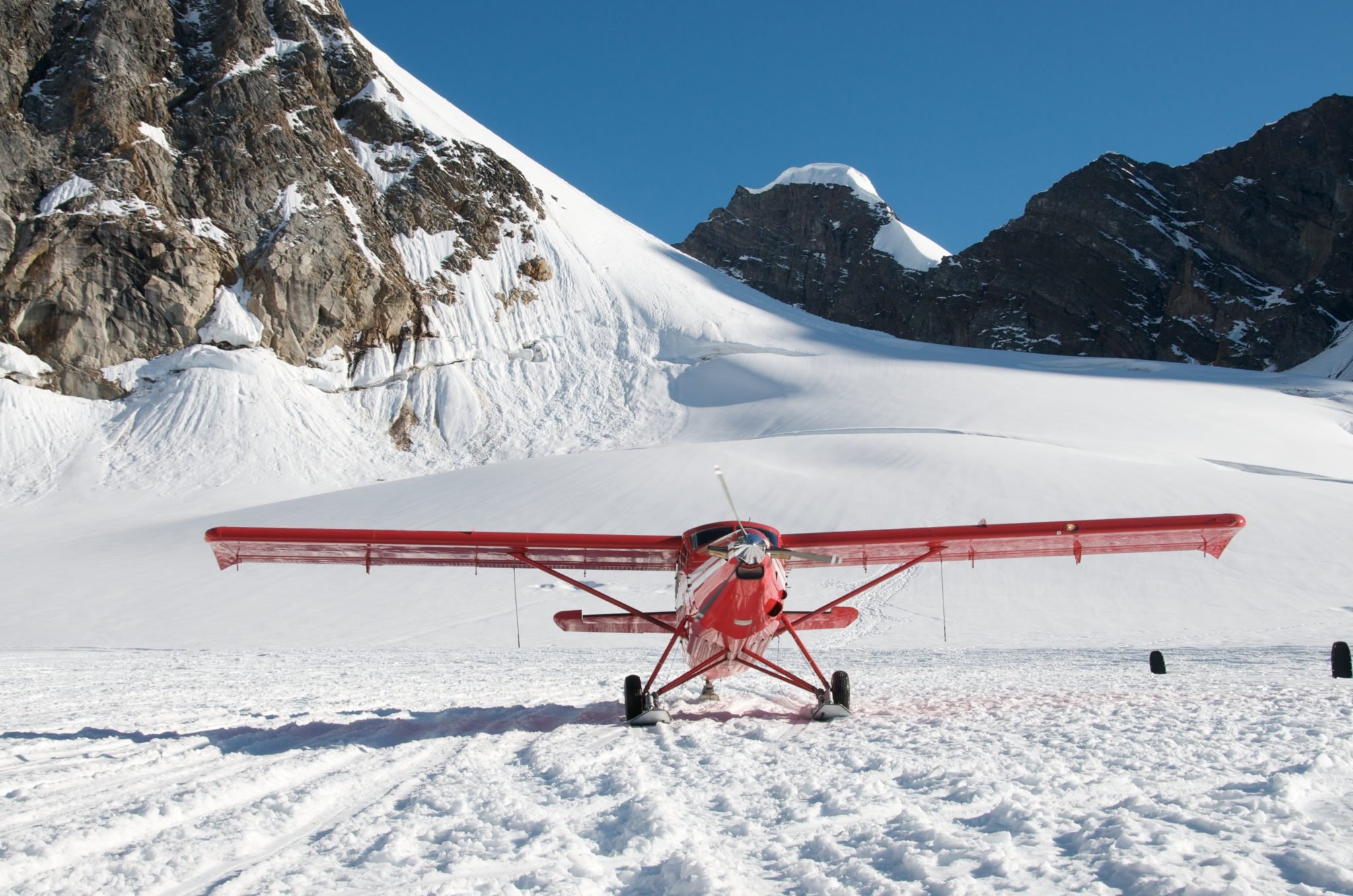
Let's be honest: glacier flightseeing tours are expensive. Depending on the route and whether you land on a glacier, you're looking at anywhere from $250 to $700+ per person.
So the question isn't whether these tours are cool—of course they are. The real question is: Are they worth the money?
After years of running tours in Alaska and talking to thousands of travelers, here's our take: Yes, glacier flightseeing is absolutely worth it—but only if you know what you're paying for and choose the right tour.
Below is an honest breakdown of costs, what you actually get for your money, how to decide if it's right for you, and what to expect from start to finish. No sales pitch, no sugarcoating—just straightforward information to help you make the best decision for your Alaska trip.
💰 How Much Do Glacier Flightseeing Tours Actually Cost?
Prices vary depending on the length of the flight, whether you land on a glacier, and which company you book with. Here's the breakdown:
Standard Flightseeing (No Glacier Landing)
Flight time: 1–1.5 hours
Cost: $250–$400 per person
What you see: Denali, Mount Foraker, Ruth Glacier, Alaska Range peaks
Best for: Budget-conscious travelers who still want epic views
You'll fly over massive glaciers and towering mountains, but you won't touch down on the ice. It's still an incredible experience—just less immersive than a landing tour.
Flightseeing with Glacier Landing
Flight time: 1.5–2 hours (including time on the glacier)
Cost: $450–$700 per person
What you see: Everything above, plus 15–30 minutes standing on a glacier
Best for: Bucket-list travelers who want the full experience
This is the tour most people dream about. You'll land at 5,000+ feet on centuries-old ice, step out of the plane, and walk around surrounded by nothing but mountains and snow.
Extended or Custom Tours
Flight time: 2–3+ hours
Cost: $700–$1,200+ per person
What you get: Longer glacier landings, multiple landing sites, custom routes
Best for: Photographers, aviation enthusiasts, or those celebrating something special
These premium tours offer more time on the ice, access to remote glaciers, and flexibility to customize your route.
Price factors:
Group size – Smaller planes (4–6 passengers) cost more per person
Season – Peak summer months (June–August) have higher rates
Add-ons – Some tours include dogsledding or heli-hiking on the glacier
Departure location – Tours from Talkeetna tend to cost less than Anchorage departures
Want to explore pricing for specific tours? Check out K2 Flightseeing Tours for Denali options.
What You're Actually Paying For
When you book a glacier flightseeing tour, you're not just paying for the plane ride. Here's what's included:
1. Access to Scenery You Can't See Any Other Way
You can drive to some glaciers in Alaska (Matanuska, Exit, Portage). But the massive, pristine glaciers in the Alaska Range? The only way to see them is from the air or on foot—and hiking to them takes days of backcountry experience.
Flightseeing compresses what would be a multi-day mountaineering expedition into a 90-minute experience. That's the real value.
2. Experienced Bush Pilots
Alaska bush pilots are among the most skilled aviators in the world. They know the mountains intimately, understand weather patterns, and can navigate terrain that would ground most pilots.
Your pilot isn't just flying—they're narrating the landscape, pointing out wildlife, explaining glacial formations, and adjusting the route based on visibility and conditions.
3. Small Plane Experience
Most flightseeing tours use small aircraft (Cessnas, de Havilland Beavers, or Otters). Seats are window seats—everyone gets unobstructed views. The planes fly low and slow enough to really see the landscape.
4. Safety and Reliability
Reputable operators maintain their aircraft meticulously and only fly in safe conditions. They carry satellite communication, emergency equipment, and have perfect safety records.
5. Standing on a Glacier (If You Book a Landing Tour)
This is the part that makes people cry. Seriously—some guests get emotional when they step onto the ice.
You'll walk around on snow that's been frozen for thousands of years. The silence is profound. The scale of the mountains around you is overwhelming. And the experience is something you'll remember for the rest of your life.
Is it worth $500+? If you value once-in-a-lifetime experiences over material things, absolutely.
Is Glacier Flightseeing Worth It for YOU?
Not every traveler values the same things. Here's how to decide if glacier flightseeing aligns with your priorities.
Book a Glacier Landing Tour If:
You want a bucket-list Alaska experience – This is the one tour everyone talks about
You love aviation and small planes – The flight itself is exhilarating
You're celebrating something special – Honeymoon, anniversary, milestone birthday
You want bragging rights – Standing on a glacier is objectively cool
You value experiences over souvenirs – Memories last longer than shopping
You have limited time – Flightseeing covers more ground in less time than any road trip
Skip It If:
You're on a tight budget – There are cheaper ways to see glaciers (Portage, Exit Glacier)
You're afraid of small planes – These aren't big jets; they feel every air pocket
You prefer DIY exploration – Guided tours aren't for everyone
You have severe motion sickness – Turbulence over mountains can be bumpy
You'd rather spend money elsewhere – Maybe glacier cruises or helicopter tours fit better
Consider a Non-Landing Tour If:
You want the views but can't justify landing costs – You'll still see everything
You're bringing kids – Shorter tours work better for younger travelers
You're testing the waters – A cheaper tour lets you experience flightseeing without the full investment
Bottom line: If you can afford it and don't have a fear of flying, glacier flightseeing is one of the best things you can do in Alaska. But if the cost makes you uncomfortable, there are other great glacier experiences that won't strain your budget.
What to Expect: Step-by-Step Experience
Here's what a typical glacier landing tour looks like from start to finish.
Before the Flight
Check-in: Arrive 30–45 minutes early at the flight office. You'll watch a safety video, get weighed (for weight distribution on the plane), and receive a brief orientation.
Weather check: Your pilot will review current conditions. If weather isn't safe, the flight will be rescheduled—this happens, and it's for your safety.
Gear up: You'll receive any necessary gear (usually just jackets if it's cold). Some operators provide boot covers for glacier landings.
The Flight
Boarding: Small planes board quickly. You'll climb in, buckle up, and put on headsets so you can hear the pilot's commentary over engine noise.
Takeoff: Smooth and quick. Within minutes, you're climbing toward the mountains.
The route: You'll fly over forests, rivers, and foothills before entering the Alaska Range. The scenery escalates dramatically—first smaller peaks, then massive glaciers, then Denali itself.
Pilot narration: Your pilot points out landmarks, explains glacial formations, and shares stories about the mountains. Most also take questions over the headset.
Photo opportunities: Planes bank and circle key features so everyone gets photos. Don't worry about seat assignment—all seats have incredible views.
The Glacier Landing (If Included)
Approach: The plane descends toward a massive glacier field. Landing on snow feels smoother than landing on pavement.
Stepping out: The door opens, and you step onto the glacier. The first thing you notice? The silence. No traffic, no wind, no sounds except your own footsteps crunching on snow.
Exploration: You'll have 15–30 minutes to walk around, take photos, and soak it in. Some operators mark safe walking areas with flags.
The scale: Mountains surround you in every direction. Peaks that looked small from the air tower overhead. It's humbling and surreal.
Temperature: Even in summer, glaciers are cold. Expect temps in the 30s–40s°F. Bring a jacket.
Return Flight
Different route: Most pilots take a slightly different path back, showing you new perspectives and features.
Landing: You'll return to the airstrip, debrief with your pilot, and collect your belongings.
Total time: Plan for 2–3 hours from check-in to completion.
For more details on what to expect, explore K2 Flightseeing Tours.
Best Time of Year for Glacier Flightseeing
Alaska's flightseeing season runs year-round, but conditions vary dramatically by month.
Summer (June–August)
Pros: Long days, warmer temps, stable weather
Cons: Highest prices, most crowded, occasional afternoon clouds
Best for: First-timers, families, comfortable conditions
Summer is peak season for a reason. Weather is most predictable, and you can fly almost any time of day.
Shoulder Season (May, September)
Pros: Lower prices, fewer crowds, excellent visibility
Cons: Shorter days, cooler temperatures
Best for: Budget travelers, photographers (lighting is stunning)
May and September offer some of the best value. Prices drop, availability opens up, and weather is still reliable.
Fall (October)
Pros: Snow-covered peaks, dramatic contrast, low crowds
Cons: Shorter days, weather becomes unpredictable
Best for: Adventurous travelers, fall color photography
October is gorgeous but risky. Have backup days in case weather cancels your flight.
Winter (November–April)
Pros: Stunning snow coverage, potential Northern Lights views, uncrowded
Cons: Very short days, extreme cold, frequent weather delays
Best for: Photographers, winter enthusiasts, aurora chasers
Winter flightseeing is magical but challenging. Visibility depends entirely on daylight and weather. Book with flexible cancellation policies.
Best overall months: Late May, June, July, early September
If you're visiting in winter, consider pairing flightseeing with a Northern Lights tour for a full Alaska experience.
Talkeetna vs. Anchorage: Where Should You Book?
Most glacier flightseeing tours depart from either Talkeetna or the Anchorage area. Here's how they compare.
Talkeetna (Recommended)
Location: 2 hours north of Anchorage
Pros: Closer to Denali, more affordable, authentic Alaska vibe
Cons: Requires a drive or shuttle from Anchorage
Talkeetna is the gateway to Denali. Flights from here are shorter (less fuel cost), more direct (faster access to glaciers), and typically $50–$150 cheaper than Anchorage departures.
The town itself is charming—worth exploring before or after your flight.
Best for: Travelers willing to drive or book transport for the best value.
K2 Aviation operates out of Talkeetna and offers some of Alaska's best glacier landing tours.
→ Book your K2 Flightseeing Tour
Anchorage Area
Location: Departs from Anchorage or nearby airports
Pros: No driving required, convenient for cruise passengers
Cons: Higher prices, longer flight times
Anchorage-based tours are more convenient but pricier. You'll spend more time in the air covering the same ground.
Best for: Travelers with limited time or those who prefer not to leave Anchorage.
Helicopter vs. Fixed-Wing Plane: Which Is Better?
Both offer incredible glacier experiences, but they're quite different.
Fixed-Wing Flightseeing (Recommended for Most)
Aircraft: Cessna, Beaver, Otter
Capacity: 4–10 passengers
Flight style: Higher altitude, longer range
Cost: $250–$700
Best for: Classic Alaska flightseeing experience
Fixed-wing planes fly higher and cover more ground. You'll see Denali, massive glaciers, and the entire Alaska Range. Flights are smooth, efficient, and offer panoramic views.
Pros: More affordable, wider coverage, classic bush plane experience Cons: Less agile than helicopters, higher landing speeds
Helicopter Tours
Aircraft: Various helicopter models
Capacity: 4–6 passengers
Flight style: Low and slow, more maneuverable
Cost: $400–$1,000+
Best for: Premium glacier experiences with extras
Helicopters fly lower, hover over features, and can land in tighter spots. Tours often include extras like dogsledding, ice trekking, or paddleboarding on glacial lakes.
Pros: More time on the glacier, premium experience, flexibility Cons: Significantly more expensive
Alaska Helicopter Tours offers year-round glacier experiences with customizable options.
→ Explore Alaska Helicopter Tours
Which should you choose?
First-time visitors: Fixed-wing (more coverage, better value)
Special occasions: Helicopter (more immersive, premium feel)
Photographers: Helicopter (better angles, more hover time)
Budget travelers: Fixed-wing (lower cost, still incredible)
What to Wear on a Glacier Flightseeing Tour
Even in summer, glaciers are cold. Here's what to bring:
Clothing
Layers: T-shirt, fleece or sweater, insulated jacket
Long pants: Jeans or hiking pants (no shorts)
Closed-toe shoes: Sneakers or hiking boots (no sandals)
Sunglasses: Essential—glacier glare is intense
Hat and gloves: Even in July (optional but recommended)
Gear
Camera or smartphone: Fully charged with plenty of storage
Extra battery: Cold drains batteries fast
Sunscreen: UV reflection off snow/ice is strong
Small backpack: For layers you might remove
What NOT to Bring
Large bags or luggage (storage is limited)
Drones (prohibited on most tours)
Loose items that could blow away on the glacier
Most operators provide jackets if needed. Check your confirmation email for specifics.
For more packing tips, visit our FAQ page.
How to Get Great Photos on Your Flightseeing Tour
Here's how to capture amazing shots without fancy equipment:
Smartphone Tips
Clean your lens before the flight
Use HDR mode to balance bright snow and dark mountains
Avoid zooming (it reduces quality)
Shoot through clean windows (ask pilot for best side)
Take video—flightseeing works beautifully on film
Camera Tips
Use a fast shutter speed (1/500 or faster to avoid blur)
Shoot in RAW for editing flexibility
Polarizing filter helps with glare
Continuous shooting mode for action shots
Don't over-zoom—wide shots capture scale better
Composition Tips
Include part of the plane wing for context
Capture scale (tiny planes or climbers on glaciers)
Look for patterns in the ice (crevasses, moraines, melt pools)
Shoot both landscapes and details
Pro tip: Your pilot will point out photo opportunities and bank the plane for better angles. Don't be shy about asking for specific shots.
Common Questions About Glacier Flightseeing
Is it safe?
Yes. Reputable operators have excellent safety records, maintain their aircraft meticulously, and only fly in safe conditions. Weather-related cancellations are common—and that's a good thing. It means your safety comes first.
Will I get motion sickness?
Most people don't, but turbulence over mountains can be bumpy. If you're prone to motion sickness:
Sit near the front of the plane
Focus on the horizon, not your phone
Take Dramamine 30–60 minutes before the flight
Avoid heavy meals beforehand
What if weather cancels my flight?
You'll be rescheduled for another day (if you have availability) or offered a full refund. Always build extra days into your Alaska itinerary for weather flexibility.
Can kids go on flightseeing tours?
Yes, but check age and weight restrictions. Most operators welcome children 2+, though lap infants may not be allowed on smaller planes. Long flights can be tough for very young kids.
Are there weight limits?
Yes. Small planes have strict weight and balance requirements. You'll be weighed during check-in (discreetly), and seating assignments are based on weight distribution, not preference.
Can I request a window seat?
All seats are window seats on small planes. Every passenger has unobstructed views.
What if I'm afraid of flying?
Small plane flights feel different than commercial jets—you're closer to the action, and you feel every air pocket. If flying anxiety is severe, this might not be the tour for you. But many nervous flyers say the incredible scenery distracts them from fear.
Are There Cheaper Alternatives to Flightseeing?
If cost is a major concern, here are other ways to see glaciers:
Matanuska Glacier
Cost: $30–$100 (guided walk)
Location: 2 hours from Anchorage (drivable)
Experience: Walk on a glacier without flying
You can drive to Matanuska Glacier and do a guided ice walk. It's nowhere near as dramatic as Denali's glaciers, but it's a fraction of the cost.
Portage Glacier Cruise
Cost: $70–$120
Location: 1 hour from Anchorage
Experience: Boat cruise to a tidewater glacier
You'll see a glacier calving into a lake, along with icebergs and mountain scenery. It's accessible, affordable, and family-friendly.
Exit Glacier (Kenai Fjords)
Cost: Free (self-guided trails)
Location: Seward (2.5 hours from Anchorage)
Experience: Hike to glacier viewpoints
Exit Glacier has trails ranging from easy (½ mile) to challenging (8 miles round trip to the Harding Icefield). It's stunning and completely free.
Helicopter Glacier Tours
Cost: $400–$1,000
Experience: Premium glacier landings with extras
If you're going to spend big, helicopter tours offer more time on the ice and additional activities like dogsledding.
→ Explore Alaska Helicopter Tours
Bottom line: If you can't afford flightseeing, there are great alternatives. But if you can swing it, nothing compares to landing on a glacier in the Alaska Range.
How to Book a Glacier Flightseeing Tour
Ready to book? Here's how to ensure a great experience.
1. Choose a Reputable Operator
Look for:
Long operating history (10+ years in business)
Excellent safety record (check FAA records if you're concerned)
Strong reviews (read recent feedback on Google, TripAdvisor)
Transparent pricing (no hidden fees or surprise charges)
K2 Aviation has been operating out of Talkeetna since 1979 and has an impeccable safety record.
→ Book with K2 Flightseeing Tours
2. Book Early
Peak season tours (June–August) fill up 4–8 weeks ahead. Book as early as possible to secure your preferred date and time.
3. Build Flexibility Into Your Schedule
Weather cancellations are common. If possible, book your flightseeing tour early in your trip so you have backup days if needed.
4. Read Cancellation Policies
Understand the refund and rescheduling terms before booking. Reputable operators offer full refunds for weather cancellations.
5. Ask Questions
Don't hesitate to contact the operator with questions about:
Aircraft type and capacity
Landing duration
What's included (gear, photos, etc.)
Weight limits
Child policies
Other Alaska Adventures to Pair with Flightseeing
If you're investing in a glacier flightseeing tour, consider rounding out your Alaska experience with these activities:
ATV & Snowmobile Tours
Explore Alaska's backcountry on an ATV through alpine valleys and creek crossings (summer) or snowmobile through frozen mountain passes (winter).
→ Book Hatcher Pass ATV Tours
Northern Lights Tours (Winter)
If you're visiting between September and April, seeing the aurora borealis is a must.
→ Book Greatland Northern Lights Tours
Wildlife Cruises
See whales, sea otters, puffins, and tidewater glaciers on a Kenai Fjords or Prince William Sound cruise.
Multi-Day Packages
Many operators offer bundled tours that combine flightseeing with other activities at a discount.
→ Explore all Alaska Tours
Final Verdict: Is Glacier Flightseeing Worth It?
Here's our honest take after years in the Alaska tourism industry:
Glacier flightseeing is expensive—but it's worth every penny if:
You value experiences over material purchases
You have the budget without straining your finances
You're comfortable in small aircraft
You want a true bucket-list Alaska moment
It's probably not worth it if:
The cost causes financial stress
You have severe flying anxiety
You'd rather spend money on multiple smaller experiences
You can see glaciers another way that satisfies you
For most travelers, glacier flightseeing lands somewhere in the middle: It's a splurge, but one they're glad they made. Years later, people forget what they spent—but they never forget standing on a glacier surrounded by mountains.
If you're on the fence, ask yourself this: Will I regret not doing this? If the answer is yes, book it. Alaska doesn't hand out second chances to procrastinators.
→ Ready to book? Explore K2 Flightseeing Tours or Alaska Helicopter Tours
For more Alaska travel advice, local tips, and honest tour recommendations, check out our blog or browse our complete list of Alaska adventures.
See you in the sky.