
Things to Know Before Visiting Alaska in 2026 (What Most Tourists Get Wrong)
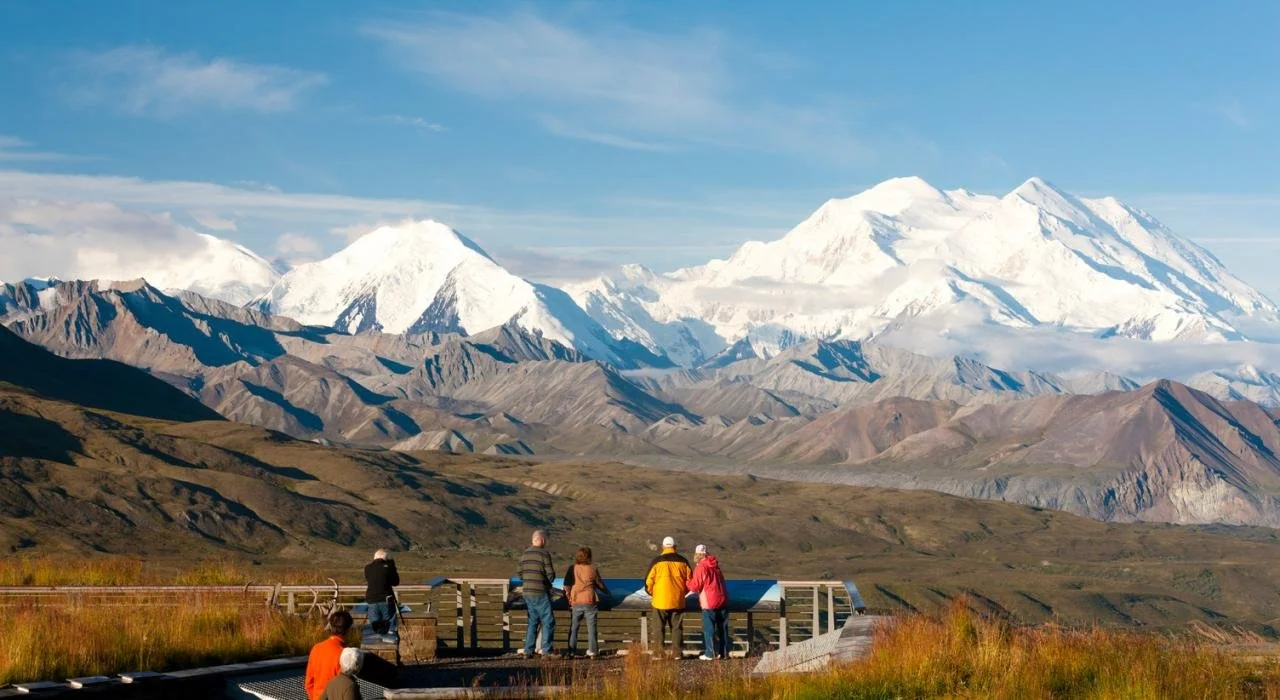
Alaska looks amazing in photos. Glaciers, bears, the Northern Lights—it all seems straightforward. Book a flight, pack your bags, show up, and experience the magic, right?
Not quite.
Alaska isn't like visiting California or Florida. It's remote, vast, and full of surprises that catch first-time visitors off guard. Every summer (and winter), we see tourists make the same mistakes: showing up unprepared for the weather, underestimating distances, expecting amenities that don't exist, and missing incredible experiences because they didn't know to book ahead.
This guide covers everything most tourists get wrong about Alaska—and what you actually need to know before you go. Consider this your insider's reality check so you can avoid the common pitfalls and have the Alaska trip you're dreaming about.
🏔️ The Biggest Misconceptions About Alaska
Let's start by clearing up what most people get wrong before they even book their trip.
Misconception #1: "Alaska is all frozen tundra and snow"
Reality: Alaska has incredible diversity. Yes, there's tundra and glaciers, but there are also temperate rainforests (Southeast Alaska), boreal forests, coastal fjords, volcanic landscapes, and even desert-like areas.
Summer temperatures regularly hit the 60s-70s°F, sometimes even 80s°F. You're more likely to need bug spray than snow boots if you visit June through August.
Misconception #2: "I can see everything in a week"
Reality: Alaska is bigger than Texas, California, and Montana combined. You cannot "do Alaska" in a week any more than you can "do the entire Western United States" in a week.
A realistic week lets you see Anchorage, Denali, and Seward. That's it. And even that feels rushed.
→ Read our guide: How Many Days Do You Need in Alaska?
Misconception #3: "Alaska is like a national park—everything is accessible and safe"
Reality: Alaska is true wilderness. Most of it has no roads, no cell service, no rescue stations. Wildlife is real and potentially dangerous. Weather can turn deadly. You need to be prepared and respectful of the environment.
This isn't Yosemite with ranger stations every mile. This is backcountry where people actually die from poor planning.
Misconception #4: "It's expensive, but I can find budget options everywhere"
Reality: Alaska IS expensive, and budget options are limited. Everything costs more because supplies are shipped or flown in. That $8 gallon of milk isn't price gouging—it's logistics.
Hotels, tours, food, and gas all run 30-50% higher than the Lower 48.
Misconception #5: "I'll see the Northern Lights in summer"
Reality: You need darkness to see the Northern Lights. Summer in Alaska has nearly 24 hours of daylight. No darkness = no aurora, no matter how strong the solar activity.
Northern Lights viewing is limited to late August through early April when nights are actually dark.
→ Book a Northern Lights Tour if you're visiting in winter
Critical Things Tourists Get Wrong About Weather
Mistake: Packing for One Type of Weather
What tourists do: Pack only warm clothes for summer or only heavy winter gear for winter.
Reality: Alaska weather changes dramatically throughout the day and by location. A summer day might start at 45°F, hit 70°F by afternoon, then drop to 50°F by evening. You need layers.
What to actually pack (summer):
Base layers (moisture-wicking)
Fleece or light insulated jacket
Waterproof rain jacket (mandatory)
Warm hat and gloves (yes, even in July)
Hiking boots AND comfortable shoes
Sunglasses and sunscreen (24-hour daylight = constant sun)
What to actually pack (winter):
Heavy insulated parka (rated to -20°F minimum)
Multiple warm layers
Insulated snow pants
Winter boots rated to -40°F
Heavy gloves or mittens
Face mask/balaclava
Hand and toe warmers
→ See our complete packing guide in our Alaska Travel FAQ
Mistake: Not Preparing for Rain
What tourists think: "It's summer, how much rain can there be?"
Reality: Coastal Alaska (Seward, Juneau, Ketchikan) gets A LOT of rain. We're talking 60-200+ inches annually in some areas. Rain is more likely than sun in many coastal locations.
What to do: Bring actual waterproof gear, not "water-resistant." Test your rain jacket before you go. Pack dry bags for electronics and cameras.
Mistake: Assuming Summer = Warm
What tourists expect: Beach weather, shorts and t-shirts.
Reality: Summer highs are typically 60-70°F, which is pleasant but not hot. Mornings and evenings can be in the 40s. Coastal areas and higher elevations stay cooler.
What to do: Think "Pacific Northwest in spring" not "California summer." Layers are essential.
What Tourists Get Wrong About Alaska's Size & Distances
Mistake: Underestimating Drive Times
What tourists do: Look at Google Maps, see "4 hours," and plan accordingly.
Reality: Alaska drives take longer than Google suggests. Roads wind through mountains, you'll stop for wildlife photos, construction is common, and weather can slow you down significantly.
Actual drive times (add 30-60 minutes to GPS estimates):
Anchorage to Denali: 4-5 hours (not 3.5)
Anchorage to Seward: 2.5-3 hours (not 2)
Anchorage to Fairbanks: 6-7 hours (not 5.5)
Seward to Homer: 4.5-5 hours (not 3.5)
What to do: Build buffer time. Don't schedule activities the same day as long drives. Stop for wildlife and photo ops—it's part of the experience.
Mistake: Trying to See Too Much
What tourists plan: "We'll do Anchorage, Denali, Seward, Homer, Fairbanks, and Juneau in 7 days!"
Reality: This itinerary is physically impossible without spending your entire vacation in transit and being miserable.
What to do: Pick 2-3 destinations maximum per week. Go deep instead of wide. You'll have a better experience spending 3 days in Denali than rushing through 6 different places.
Mistake: Not Realizing Some Places Aren't Accessible by Road
What tourists assume: "I'll just drive there."
Reality: Juneau (the state capital), Cordova, many of the best destinations, and most of Alaska have NO road access. You need planes, ferries, or boats.
What to do: Research how to actually reach your destinations. Factor in flight costs, ferry schedules, and travel time. Don't assume roads connect everything.
What Tourists Get Wrong About Wildlife
Mistake: Expecting Guaranteed Wildlife Sightings
What tourists think: "I'm going to Alaska, so I'll definitely see bears and moose!"
Reality: Wildlife is wild and unpredictable. While Alaska has abundant wildlife, there are no guarantees. You might see 20 bears on a Denali bus tour or none.
What to do: Book guided wildlife tours to maximize your chances. Multiple days in wildlife-rich areas (Denali, Kenai Peninsula) increase odds. Be patient and realistic.
→ Maximize wildlife sightings on our Summer Tours
Mistake: Getting Too Close to Wildlife
What tourists do: Walk up to moose for selfies, approach bears, chase caribou.
Reality: Alaska wildlife is dangerous. Moose kill more people in Alaska than bears. A mother moose will stomp you. Bears can run 30 mph. Respect distance.
Safety distances:
Bears: 300+ feet (if bear changes behavior, you're too close)
Moose: 50+ feet minimum
All wildlife: Use telephoto lenses, not proximity
What to do: Stay in your vehicle when possible. Follow guide instructions. If an animal changes behavior because of you, you're too close. Back away slowly.
Mistake: Not Being Bear-Aware
What tourists don't know: Bears are everywhere in Alaska—even in cities like Anchorage.
Reality: You need to be bear-aware at all times. Proper food storage, making noise on trails, carrying bear spray in bear country.
What to do:
Carry bear spray and know how to use it
Make noise on trails ("Hey bear!")
Never leave food in tents
Use bear-proof containers
If you see a bear, don't run (they can outrun you)
What Tourists Get Wrong About Booking & Planning
Mistake: Not Booking Tours in Advance
What tourists do: "We'll just book tours when we get there."
Reality: Major tours sell out MONTHS in advance, especially for summer travel. Kenai Fjords cruises, Denali bus tours, popular flightseeing—all book up.
What to do: Book major activities 2-6 months ahead. The earlier, the better. Last-minute availability is rare and often only the worst time slots.
→ Browse and book our All Alaska Tours early
Mistake: Not Building in Weather Buffer Days
What tourists plan: Back-to-back activities with no flexibility.
Reality: Weather cancels flights, closes roads, and scrubs tours. If your glacier cruise gets canceled and you're flying home the next day, you're out of luck.
What to do: If possible, build one flex day into your itinerary. Schedule critical activities early in your trip so you have backup dates if weather interferes.
Mistake: Assuming Everything is Open Year-Round
What tourists expect: All tours, restaurants, and lodges available whenever.
Reality: Alaska is highly seasonal. Many businesses close October-April. Summer-only tours end in September. Winter-only activities don't start until December.
What to do: Research what's actually open during your travel dates. Don't assume that tour you saw online runs in April or November.
Mistake: Not Getting Travel Insurance
What tourists skip: Travel insurance because "we'll be fine."
Reality: Alaska weather causes flight cancellations and delays constantly. Medical evacuation from remote areas costs tens of thousands. Trip insurance makes sense here more than most destinations.
What to do: Get comprehensive travel insurance that covers trip cancellation, medical evacuation, and weather-related delays. It's worth it.
What Tourists Get Wrong About Costs
Mistake: Underestimating the Total Cost
What tourists budget: Similar to other US travel.
Reality: Alaska costs 30-50% more than Lower 48 destinations. A "budget" Alaska trip still runs $2,500-4,000 per person for a week.
Why it's expensive:
Remote location = shipping costs
Short tourism season = premium pricing
Limited competition among vendors
Tours are necessary, not optional
Gas, food, lodging all cost more
What to do: Budget realistically. Expect to spend more than you think. Look for package deals that bundle tours and lodging.
Mistake: Not Factoring in Tour Costs
What tourists forget: Alaska requires guided tours for many experiences.
Reality: You can't just "go see glaciers" or "find bears" on your own safely. Professional tours are necessary and expensive.
Tour cost examples:
Kenai Fjords cruise: $200-300
Denali bus tour: $100-200
Flightseeing with glacier landing: $300-600
Bear viewing flight: $600-800
Fishing charter: $250-400
What to do: Research tour costs early and factor them into your total budget. Tours often cost more than flights and lodging combined.
→ Check pricing on our K2 Flightseeing Tours
Mistake: Trying to "Wing It" to Save Money
What tourists think: "We'll save money by not booking ahead and just finding deals when we get there."
Reality: Last-minute Alaska travel is more expensive, not less. Hotels charge premium rates for walk-ins. Tours are sold out. You end up paying more and seeing less.
What to do: Book ahead, look for package deals, and plan efficiently. Winging it in Alaska rarely works out well.
What Tourists Get Wrong About Daylight
Mistake: Not Understanding Midnight Sun
What tourists don't expect: It never actually gets dark in summer.
Reality: In June and July, you get 18-24 hours of daylight depending on location. It's light at midnight. It's light at 2 AM.
Challenges this creates:
Sleeping is difficult (bring eye masks)
You lose track of time
You'll try to do too much because it "feels early"
Restaurants and shops close despite it being bright outside
What to do: Bring blackout shades or eye masks. Set phone alarms for meal times. Don't rely on darkness to signal bedtime.
Mistake: Not Planning for Limited Winter Daylight
What tourists don't expect: Only 4-6 hours of daylight in December-January.
Reality: Winter days are short. In Fairbanks, you get about 3-4 hours of daylight at the winter solstice. Activities must be timed carefully.
What to do: Plan outdoor activities for midday when it's light. Embrace the darkness for Northern Lights viewing. Book tours that operate with headlamps if needed.
What Tourists Get Wrong About Food & Dining
Mistake: Expecting Lots of Food Options Everywhere
What tourists expect: Multiple restaurants, grocery stores, and food choices everywhere.
Reality: Outside Anchorage, Fairbanks, and major tourist towns, options are limited. Small towns might have one restaurant and one small grocery store with limited hours.
What to do:
Stock up on snacks in cities before heading to remote areas
Don't expect 24-hour anything outside Anchorage
Make dinner reservations in popular tourist towns
Bring food for long drives
Mistake: Not Trying Local Specialties
What tourists do: Eat at chain restaurants and miss local food.
Reality: Alaska has incredible fresh seafood, unique local dishes, and a growing farm-to-table scene.
Must-try in Alaska:
Fresh wild salmon (not farmed)
Halibut (fish and chips is a classic)
King crab
Reindeer sausage
Local breweries (Alaska has excellent craft beer)
Sourdough anything
What to do: Seek out local restaurants, fish markets, and breweries. Skip chains when possible.
Mistake: Not Budgeting Enough for Food
What tourists expect: Normal restaurant prices.
Reality: Meals are expensive. A casual dinner easily runs $25-40 per person. Nice restaurants go much higher.
What to do: Budget $60-100 per person per day for food. Cook some meals if your lodging has a kitchen. Pack snacks for activities.
What Tourists Get Wrong About Cell Service & WiFi
Mistake: Expecting Reliable Cell Service Everywhere
What tourists assume: "I'll have my phone, so I'm covered."
Reality: Cell service is spotty at best outside cities. Many areas have zero coverage. Don't rely on your phone for navigation or emergencies.
What to do:
Download offline maps (Google Maps allows this)
Bring physical maps as backup
Tell people your itinerary before heading to remote areas
Don't rely on GPS navigation outside cellular range
Consider a satellite communication device for real backcountry
Mistake: Expecting WiFi to Work Well
What tourists expect: Fast, reliable internet like at home.
Reality: Alaska internet can be slow, expensive, and unreliable, especially in remote areas. Many places still use satellite internet.
What to do: Download entertainment before you go. Don't plan to stream movies or upload large files. Use WiFi when available but don't count on it.
What Tourists Get Wrong About Seasonality
Mistake: Not Researching What's Available During Their Visit
What tourists do: Book a trip without checking what activities are actually available then.
Reality: Alaska is extremely seasonal. Summer activities (June-August) and winter activities (December-March) are completely different.
Summer-only activities:
Most glacier cruises
Road-accessible Denali
Hiking most trails
Fishing (varies by species)
Most flightseeing tours
Winter-only activities:
Northern Lights viewing
Dog sledding
Snowmobiling
Ice fishing
Snow sports
What to do: Match your interests to the right season. Don't show up in April expecting summer activities or July expecting Northern Lights.
→ Read our complete seasonal guide: Best Time to Visit Alaska
Mistake: Visiting During Shoulder Season Without Research
What tourists think: "Shoulder season means lower prices—perfect!"
Reality: April and October-November can be great for deals, but many services are closed, weather is unpredictable, and you're in transition seasons (breakup or freeze-up) which aren't Alaska at its best.
What to do: If visiting shoulder season, research extensively what's actually open and have realistic expectations about conditions.
What Tourists Get Wrong About Safety
Mistake: Not Taking Weather Seriously
What tourists do: Venture out unprepared because "it looked nice when we left."
Reality: Alaska weather can turn deadly fast. Hypothermia is possible even in summer. People die every year from exposure.
What to do:
Always bring layers, even on day hikes
Tell someone your plans
Check weather forecasts
Don't push through deteriorating conditions
Turn back if weather gets bad
Mistake: Underestimating Water Temperature
What tourists think: "I can swim in that glacier-fed lake/river!"
Reality: Alaska water is dangerously cold year-round. Glacier-fed water is barely above freezing. You can lose the ability to swim in minutes.
What to do: Wear proper gear (wetsuits or drysuits) for water activities. Don't swim in glacier-fed water. If you fall in, get out immediately and warm up.
Mistake: Not Being Prepared for Emergencies
What tourists forget: You're in remote wilderness, often hours from help.
Reality: A twisted ankle 10 miles into a backcountry trail is a serious emergency. Cell phones don't work. Rescue takes hours or days.
What to do:
Bring first aid kit on all hikes
Know basic wilderness first aid
Carry emergency shelter (space blanket minimum)
Tell people your plans and expected return time
Consider satellite communicator for serious backcountry
What Tourists Get Wrong About Mosquitoes & Bugs
Mistake: Not Taking the Mosquito Warnings Seriously
What tourists think: "How bad can mosquitoes really be?"
Reality: Alaska mosquitoes are legendary. June and July can be absolutely brutal, especially in interior Alaska and near wetlands. Swarms of hundreds of mosquitoes are common.
What to do:
Bring strong bug spray with DEET (30%+ minimum)
Wear long sleeves and pants (light colors)
Consider head nets for serious hiking
Time activities for windy or cooler parts of day
Avoid standing water areas at dawn/dusk
When mosquitoes are worst: June and July, especially interior Alaska
When they're manageable: May, August-September, coastal areas with wind
What Tourists Get Wrong About Photography
Mistake: Not Preparing for Unique Lighting Conditions
What tourists don't expect: Constant daylight in summer, very low light in winter.
Reality: Midnight sun creates unique challenges. Golden hour lasts forever, but harsh midday light does too. Winter has beautiful light but very limited shooting time.
Photography tips:
Summer: Shoot early morning or late evening for best light (though it never gets dark)
Bring polarizing filter for glacier photography
Protect gear from rain and cold
Bring extra batteries (cold drains them fast)
Winter: Blue hour is magical but brief
Mistake: Not Backing Up Photos
What tourists do: Rely on one camera/phone storage.
Reality: If you drop your camera in the ocean on day 2 or your phone dies, you lose everything.
What to do: Bring extra memory cards. Upload to cloud storage when you have WiFi. Back up photos to multiple devices.
Insider Tips Most Tourists Don't Know
Tip #1: Book Flightseeing Early in Your Trip
Weather can scrub flightseeing tours. Book them early so you have backup days if needed.
→ Reserve your spot on Alaska Helicopter Tours early in your itinerary
Tip #2: Gas Up Whenever You Can
Gas stations are sparse. If you see a gas station and you're below half tank, fill up. Some stretches have 100+ miles between stations.
Tip #3: Bring Cash
Many small businesses, remote lodges, and tour operators prefer or only take cash. ATMs are not everywhere.
Tip #4: Respect "Alaska Time"
Things move slower in Alaska. Don't stress about strict schedules. Flexibility and patience are essential.
Tip #5: Ask Locals for Recommendations
Locals love sharing their favorite spots. Ask servers, tour guides, and lodge staff for insider tips.
Tip #6: Download the Alaska 511 App
For real-time road conditions, closures, and construction. Essential for road trips.
Tip #7: Bring Reusable Water Bottles
Alaska tap water is excellent and free. Save money and reduce plastic waste.
Tip #8: Don't Skip Travel Insurance
Worth repeating: Alaska's remoteness and weather make insurance especially valuable.
Common Questions Tourists Should Ask (But Often Don't)
"Do I need a 4WD vehicle?"
Not usually. Major roads are fine with regular cars in summer. Winter or going off main highways might require 4WD.
"Can I drink the water?"
Yes! Alaska has some of the best tap water in the US. Drink freely.
"What's the sales tax?"
Alaska has no state sales tax, but some municipalities charge local taxes (usually 2-7%).
"Do I need bear spray?"
If hiking in bear country, yes. It's more effective than guns and lighter to carry.
"Can I see the Northern Lights from Anchorage?"
Sometimes, but Fairbanks is much better due to location under the auroral oval and clearer skies.
→ Maximize your aurora chances with Greatland Northern Lights Tours
"Is Alaska safe for solo travelers?"
Yes, but standard precautions apply. Tell people your plans, stick to popular areas if unsure, and don't take unnecessary risks.
"Do I need reservations for Denali camping?"
Yes! Denali campgrounds and backcountry permits book up fast. Reserve as early as possible.
The Bottom Line: What You Actually Need to Know
Alaska is not a typical vacation destination. It requires more planning, more preparation, and more respect for nature than most trips. But the rewards are incredible if you go in with realistic expectations.
Key takeaways:
✅ Plan ahead - Book tours and lodging 2-6 months in advance
✅ Pack layers - Weather is unpredictable and changes constantly
✅ Respect distances - Alaska is enormous; don't over-schedule
✅ Budget realistically - Everything costs more than you expect
✅ Be flexible - Weather will impact your plans; roll with it
✅ Stay safe - Wildlife, weather, and wilderness are real risks
✅ Book guided tours - Professional guides maximize safety and experiences
✅ Match season to activities - Summer ≠ Northern Lights
The tourists who have the best Alaska experiences are the ones who do their homework, prepare properly, and embrace Alaska on its own terms rather than expecting it to be like everywhere else.
Ready to Plan Your Alaska Trip the Right Way?
Now that you know what most tourists get wrong, you can avoid those mistakes and have the Alaska adventure you're dreaming about.
→ Browse our Complete Tour Catalog
→ Check out Summer Tours for warm-weather adventures
→ Explore Winter Tours for Northern Lights and snow activities
→ Read our FAQ for answers to more common questions
→ Contact us for personalized trip planning help
Alaska rewards those who come prepared. The difference between a frustrating trip and an unforgettable adventure often comes down to knowing what to expect before you arrive.
Don't be the tourist who shows up in July expecting Northern Lights, or tries to drive from Anchorage to Juneau, or packs only a light jacket for their "summer" trip.
Be the prepared traveler who has realistic expectations, proper gear, and booked-in-advance tours. That's when Alaska delivers the magic.
Your adventure starts with proper planning. Let's get started.