
Alaska vs Hawaii in 2026: Which Trip Is Actually Better for You?
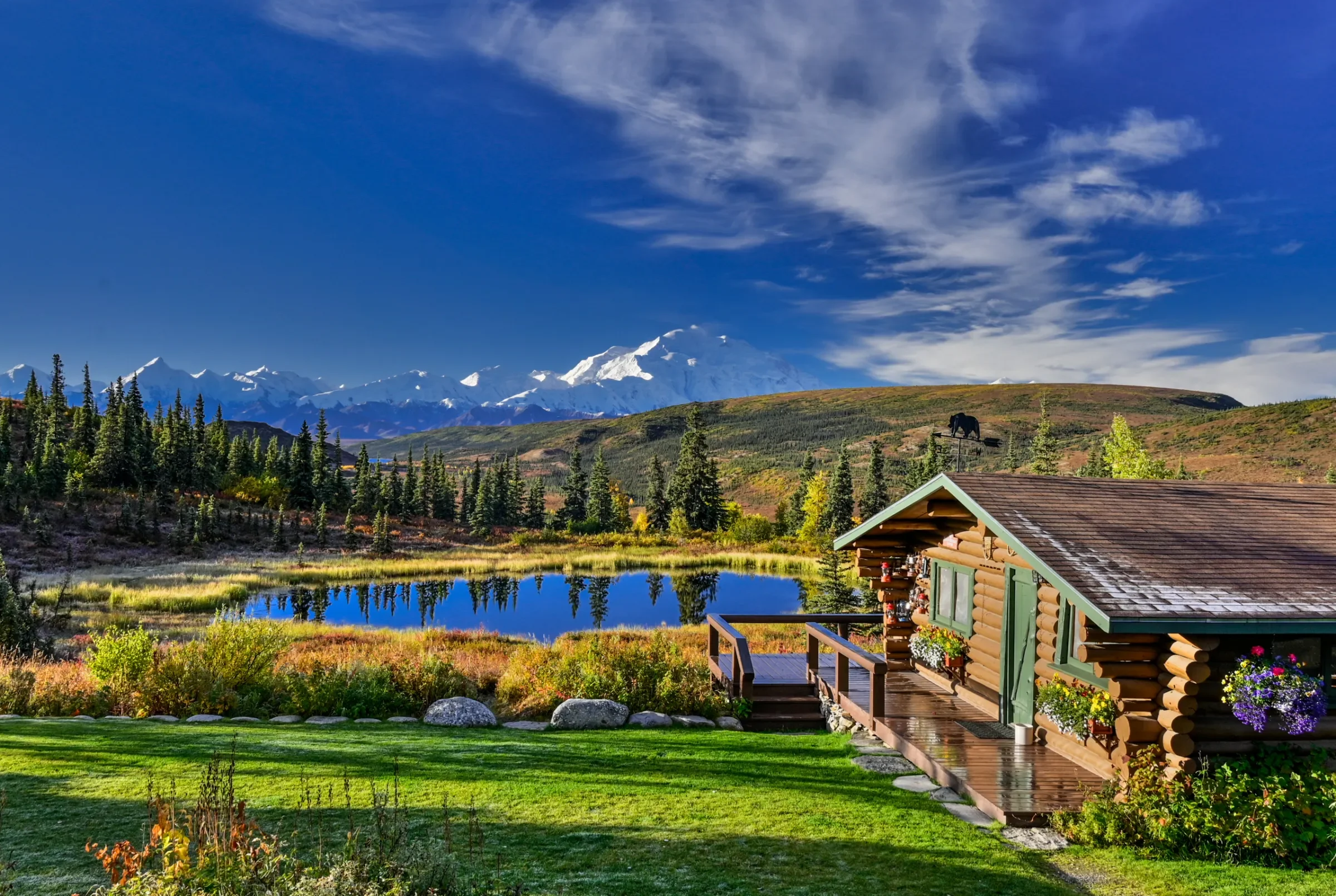
You're planning a bucket-list trip to one of America's most stunning states, and you've narrowed it down to two: Alaska or Hawaii. Both offer incredible natural beauty, unique experiences, and the kind of vacation memories that last a lifetime. But they couldn't be more different.
Alaska gives you glaciers, grizzly bears, and the Northern Lights. Hawaii delivers beaches, volcanoes, and tropical sunsets. One requires layers and hiking boots. The other needs sunscreen and flip-flops. So which one is actually better for you?
The truth is, there's no universal answer. But by the end of this guide, you'll know exactly which destination matches your travel style, budget, and what you're hoping to experience.
🏔️ 🏝️ The Quick Comparison
Before we dive deep, here's the snapshot:
Choose Alaska if you want:
True wilderness and adventure
Wildlife (bears, whales, moose)
Glaciers and dramatic landscapes
Northern Lights (winter)
Cooler weather
Fewer crowds (outside peak summer)
Unique bucket-list experiences
Choose Hawaii if you want:
Beaches and warm weather year-round
Snorkeling and water sports
Easier accessibility and infrastructure
Resort-style relaxation
Multiple islands to explore
Better food scene
More cultural experiences
Still not sure? Let's break it down category by category.
Weather & Climate: Sun vs. Layers
Alaska Weather
Alaska's weather is highly seasonal and unpredictable. Summer (June-August) brings temps in the 60s-70s°F with nearly 24-hour daylight. Winter (December-March) can drop well below zero with just 4-5 hours of daylight.
Even in summer, you need layers. Mornings might be 45°F, afternoons hit 70°F, and evenings drop back down. Rain is common, especially in coastal areas. You'll pack for multiple seasons in one trip.
Pros:
Summer weather is comfortable for outdoor activities
Midnight sun means maximum adventure time
Cooler temps = fewer bugs (except June-July mosquitoes)
Cons:
Unpredictable even in summer
Winter is brutally cold
Rain gear is mandatory
Hawaii Weather
Hawaii is consistently warm and tropical year-round. Temperatures range from 70s-80s°F with minimal seasonal variation. You can visit any month and expect beach weather.
Different islands and elevations create microclimates—it might be raining in Hilo while sunny in Kona, or snowing on Mauna Kea while 80°F at the beach.
Pros:
Predictable warm weather year-round
No need for heavy clothing
Multiple seasons available in one day (beach to mountains)
Cons:
Hurricane season (June-November)
Can be humid
Trade winds can make some areas windy
Winner for most people: Hawaii (consistent warm weather is easier to plan around)
Winner for adventure seekers: Alaska (dramatic seasonal changes create unique experiences)
Scenery & Landscapes: Glaciers vs. Beaches
Alaska Scenery
Alaska delivers dramatic, rugged wilderness that feels untouched and vast. Massive glaciers calving into the ocean, snow-capped peaks, endless forests, and landscapes where you can see for miles without spotting a single building.
The scale is overwhelming. Denali rises 20,310 feet. Glaciers stretch for miles. Coastal fjords cut deep into mountains. It's raw, powerful, and humbling.
What you'll see:
Glaciers (over 100,000 of them)
Mountain ranges
Coastal fjords
Tundra
Boreal forests
Rivers and waterfalls
Photo opportunities: Epic landscapes, Northern Lights, wildlife against dramatic backdrops
Hawaii Scenery
Hawaii offers diverse tropical beauty across varied islands. Black sand beaches, active volcanoes, lush rainforests, dramatic cliffs, and turquoise water that looks photoshopped but is completely real.
Each island has its own personality—Kauai is lush and dramatic, Maui has beaches and Haleakalā, Big Island has active volcanoes, Oahu mixes city and nature.
What you'll see:
Beaches (white, black, green sand)
Active volcanoes
Tropical rainforests
Waterfalls
Dramatic sea cliffs
Coral reefs
Photo opportunities: Sunsets, beaches, volcanic landscapes, tropical flora
Winner: Tie (completely different aesthetics—both are world-class)
Wildlife: Bears vs. Sea Turtles
Alaska Wildlife
Alaska is one of the best wildlife viewing destinations on Earth. You'll see animals in their natural habitat, often from safe distances on guided tours.
What you can see:
Grizzly and black bears (fishing for salmon)
Moose (everywhere, often in towns)
Whales (humpback, orca, gray)
Bald eagles (more than you can count)
Caribou
Dall sheep
Wolves (if you're lucky)
Puffins and seabirds
Salmon (massive runs)
The wildlife viewing is active and dramatic—bears catching salmon mid-air, whales breaching, moose walking through your campground.
→ Experience incredible wildlife on our Summer Tours
Hawaii Wildlife
Hawaii's wildlife is primarily marine-focused with some unique endemic species on land.
What you can see:
Sea turtles (honu)
Dolphins (spinner, bottlenose)
Whales (humpback, winter months)
Tropical fish (thousands of species)
Monk seals (endangered)
Native birds (nene geese, honeycreepers)
Manta rays
Wildlife viewing is more peaceful and accessible—you'll snorkel with turtles, watch dolphins from your kayak, spot whales from shore.
Winner: Alaska (more variety, more dramatic viewing opportunities, land mammals)
Activities & Adventures: Adrenaline vs. Relaxation
Alaska Activities
Alaska is an adventure playground focused on outdoor activities and bucket-list experiences.
Top activities:
Glacier hiking and ice climbing
Flightseeing and helicopter tours
Whale watching cruises
Bear viewing tours
Dog sledding (winter)
Kayaking among icebergs
Hiking (from easy to extreme)
Fishing (salmon, halibut)
Northern Lights viewing
Rafting
ATV and off-road adventures
→ Book an unforgettable K2 Flightseeing Tour
→ Explore with Alaska Helicopter Tours
Most activities are guided and structured because of the wilderness environment. You can't just wander onto a glacier—you need proper equipment and expertise.
Hawaii Activities
Hawaii offers a mix of adventure and relaxation with more flexibility for independent exploration.
Top activities:
Snorkeling and scuba diving
Surfing and paddleboarding
Beach relaxation
Hiking (Kalalau Trail, Diamond Head)
Volcano viewing (Kilauea)
Luaus and cultural experiences
Ziplines and helicopter tours
Road trips (Road to Hana)
Whale watching (winter)
Sunset cruises
Many activities are self-guided and accessible—you can rent snorkel gear and explore reefs on your own, drive scenic highways, hike trails independently.
Winner for adventure: Alaska (more unique, bucket-list experiences)
Winner for variety: Hawaii (better mix of adventure and relaxation)
Winner for independent travelers: Hawaii (more DIY-friendly)
Costs: Budget Battle
Alaska Costs
Alaska is expensive, especially in summer. Everything costs more because supplies need to be shipped or flown in.
Typical costs (per person, 7 days):
Budget:
Flights: $400-$800
Lodging: $80-$150/night
Food: $40-$60/day
Tours: $300-$600
Car rental: $400-$700
Total: $2,500-$4,000
Mid-Range:
Flights: $500-$900
Lodging: $150-$250/night
Food: $70-$100/day
Tours: $800-$1,500
Car rental: $500-$900
Total: $4,500-$7,000
Luxury:
Flights: $800-$1,500+
Lodging: $300-$600+/night
Food: $120-$200+/day
Tours/guides: $2,000-$4,000+
Total: $10,000-$20,000+
What makes Alaska expensive:
Remote location = higher transport costs
Tours are necessary (not optional)
Limited competition among vendors
Short season = premium pricing
Hawaii Costs
Hawaii is also expensive, but you have more control over costs through DIY options.
Typical costs (per person, 7 days):
Budget:
Flights: $300-$600
Lodging: $100-$180/night (Airbnb, budget hotels)
Food: $50-$80/day (grocery stores + some dining)
Activities: $200-$400 (mostly free beaches/hikes)
Car rental: $300-$500
Total: $2,200-$3,800
Mid-Range:
Flights: $400-$700
Lodging: $200-$350/night (nice hotels)
Food: $100-$150/day
Activities: $500-$1,000
Car rental: $400-$600
Total: $5,000-$8,500
Luxury:
Flights: $800-$2,000+ (first class)
Lodging: $500-$1,500+/night (resorts)
Food: $200-$400+/day
Activities: $1,500-$3,000+
Total: $12,000-$30,000+
What makes Hawaii expensive:
Island location = high import costs
High demand year-round
Resort pricing (if you go that route)
Winner: Hawaii (slightly cheaper overall, more budget options available)
Crowds & Tourism: Busy vs. Wilderness
Alaska Crowds
Alaska tourism is highly seasonal. Summer (June-August) brings significant crowds to popular spots like Denali, Seward, and Juneau, especially from cruise ships.
However, Alaska is so vast that it's easy to find solitude. Drive 30 minutes from Anchorage and you're in wilderness. Visit in shoulder season (May, September) and crowds disappear.
Busy: Denali entrance, downtown Seward in summer, Juneau cruise days, popular trails
Empty: 99% of the state, most of the time
Hawaii Crowds
Hawaii is crowded year-round, especially Maui and Oahu. Popular beaches, Haleakalā sunrise, Road to Hana, and Waikiki can feel genuinely packed.
You can escape crowds by visiting less popular islands (Molokai, Lanai), hiking backcountry trails, or exploring early morning/late evening.
Busy: Waikiki, Haleakalā National Park, Road to Hana, popular snorkel spots, Volcanoes National Park
Less crowded: Lanai, Molokai, Big Island's remote areas, early morning beaches
Winner: Alaska (much easier to escape crowds)
Food & Dining: Fresh Seafood vs. Poke Bowls
Alaska Food Scene
Alaska dining centers on fresh, local seafood—salmon, halibut, king crab, and rockfish. In cities like Anchorage, you'll find diverse restaurants, breweries, and farm-to-table options.
Smaller towns have limited options, mostly American comfort food with seafood specialties. Grocery stores are expensive, especially in remote areas.
Must-try:
Fresh wild salmon
Halibut fish and chips
King crab
Reindeer sausage
Sourdough bread
Local breweries
Dining scene: Good in Anchorage/larger towns, limited in remote areas
Hawaii Food Scene
Hawaii has an incredible food culture that blends Asian, Pacific Islander, and American influences. Fresh fish, tropical fruits, and fusion cuisine create a unique culinary experience.
Every island has amazing food options at all price points—from food trucks to high-end restaurants.
Must-try:
Poke bowls
Plate lunch
Shave ice
Loco moco
Spam musubi
Fresh tropical fruit
Kalua pork
Malasadas
Dining scene: Excellent across all islands and price ranges
Winner: Hawaii (better variety, more cultural depth, better budget options)
Accessibility & Logistics: Easy vs. Adventure
Alaska Accessibility
Getting to and around Alaska requires more planning and effort. Most visitors fly into Anchorage, then drive or take small planes to destinations.
Distances are huge. Anchorage to Denali is 4+ hours. Many destinations require boats or bush planes. Cell service is spotty. Roads are limited—there's no road to Juneau, for example.
Transportation:
Rental car necessary (outside Anchorage)
Bush planes for remote areas
Ferries for Inside Passage
Limited public transportation
RV rentals popular
Planning difficulty: High (requires research, advanced bookings, backup plans)
Hawaii Accessibility
Hawaii is easy to navigate with well-developed tourism infrastructure. Islands have airports, rental cars, hotels, and clear information for visitors.
Inter-island flights are frequent and relatively affordable. Roads are well-maintained. Cell service is reliable. You can show up and figure things out as you go.
Transportation:
Easy inter-island flights
Rental cars widely available
Rideshare (Uber/Lyft) on major islands
Public buses (limited but available)
Tours pick up from hotels
Planning difficulty: Low (can be spontaneous, easy to DIY)
Winner: Hawaii (much more accessible and tourist-friendly)
Best Time to Visit Each Destination
Alaska Best Times
Peak season (June-August):
Warmest weather
20+ hours daylight
All activities available
Highest prices and crowds
Shoulder season (May, September):
Lower prices
Fewer crowds
September has Northern Lights + fall colors
Some activities limited
Winter (December-March):
Northern Lights peak
Dog sledding, winter sports
Very cold, limited daylight
Lowest prices
→ Read our complete Best Time to Visit Alaska Guide
Hawaii Best Times
Best overall (April-May, September-October):
Great weather
Lower prices than peak
Fewer crowds
All activities available
Peak season (December-March, June-August):
Winter: Whale watching, cooler temps
Summer: Warmest water, family travel
Highest prices and crowds
Hurricane season (June-November):
Actual hurricanes are rare
More rain, especially September-October
Lower prices
Winner: Hawaii (year-round destination with consistent weather)
Unique Experiences: What You Can't Get Elsewhere
Only in Alaska
Standing on a glacier
Seeing grizzly bears catch salmon
Northern Lights in winter
24-hour daylight in summer
Dog sledding with mushers
Landing on a glacier via helicopter
True wilderness solitude
Calving glaciers crashing into the ocean
Bush plane adventures
→ Experience glacier landings on our Helicopter Tours
Only in Hawaii
Active lava flows (Big Island)
Snorkeling in tropical reefs
Traditional luaus
Black, green, and red sand beaches
Swimming in warm ocean year-round
Haleakalā sunrise above the clouds
Polynesian culture and history
Island-hopping adventures
Tropical waterfalls you can swim under
Winner: Tie (both offer truly unique experiences)
Who Should Choose Alaska
Alaska is perfect for:
✅ Adventure seekers who want bucket-list experiences
✅ Wildlife enthusiasts (especially bears and whales)
✅ Photographers seeking dramatic landscapes
✅ Northern Lights chasers (winter)
✅ Hikers and outdoor enthusiasts
✅ People who prefer cooler weather
✅ Travelers seeking wilderness and solitude
✅ Anyone who wants a true adventure vacation
✅ Anglers (world-class fishing)
✅ People comfortable with rustic conditions
Alaska is NOT ideal for:
❌ Beach lovers
❌ People who need predictable warm weather
❌ Travelers on very tight budgets
❌ Anyone seeking luxury resorts
❌ People who want easy, spontaneous travel
❌ Travelers who dislike cold weather
❌ Anyone needing guaranteed sunshine
→ Explore our All Alaska Tours to start planning
Who Should Choose Hawaii
Hawaii is perfect for:
✅ Beach lovers and water sports enthusiasts
✅ Snorkelers and divers
✅ Families with young children
✅ Couples seeking romance and relaxation
✅ Foodies and culinary explorers
✅ People who want warm weather year-round
✅ Travelers who value convenience and infrastructure
✅ Cultural experience seekers
✅ Honeymooners and resort-goers
✅ Anyone who can't handle cold weather
Hawaii is NOT ideal for:
❌ People seeking wilderness solitude
❌ Travelers who dislike crowds
❌ Anyone looking for dramatic seasonal changes
❌ Wildlife enthusiasts (compared to Alaska)
❌ People who prefer cool/cold climates
❌ Glacier and mountain lovers
Can You Do Both?
Here's a wild idea: why not both?
If you have 2-3 weeks and the budget, combining Alaska and Hawaii creates the ultimate contrast vacation. Spend 10 days in Alaska (summer adventure and wildlife) then 7-10 days in Hawaii (beach recovery).
Sample Combined Itinerary:
Days 1-10: Alaska
Anchorage (2 days)
Talkeetna & Denali (4 days)
Seward & Kenai Fjords (3 days)
Return to Anchorage (1 day)
Days 11-18: Hawaii
Maui (4 days) - Beaches, Road to Hana, Haleakalā
Big Island (3 days) - Volcanoes, snorkeling
Travel day
This hits glaciers, bears, beaches, and volcanoes in one epic trip.
Cost estimate: $8,000-$15,000 per person (mid-range)
The Final Verdict: Alaska vs Hawaii
There's no universal winner—it depends entirely on what kind of vacation you want.
Choose Alaska if:
You want adventure, wilderness, wildlife, and bucket-list experiences like glaciers and Northern Lights. You're comfortable with cooler weather, willing to plan ahead, and seeking dramatic natural beauty that feels untouched.
→ Start planning your Alaska adventure with our Tour Options
Choose Hawaii if:
You want beaches, warm weather, relaxation, and easier travel logistics. You prefer tropical settings, love water activities, want great food, and value the ability to be spontaneous.
Choose both if:
You have the time and budget for the ultimate contrast vacation—glaciers and beaches, bears and sea turtles, Northern Lights and tropical sunsets.
Money-Saving Tips for Either Destination
For Alaska:
Visit shoulder season (May or September)
Book tours 3-6 months ahead
Camp instead of hotels
Grocery shop for some meals
Drive instead of fly between destinations
Mix guided tours with free hiking
For Hawaii:
Book inter-island flights early
Stay in Airbnbs with kitchens
Visit less crowded islands (Big Island, Kauai)
Pack snorkel gear instead of renting
Explore free beaches and hikes
Eat at food trucks and local spots
Bottom Line: Make Your Choice
Both Alaska and Hawaii offer world-class natural beauty and unforgettable experiences. Neither is "better"—they're just completely different.
If you close your eyes and imagine your perfect vacation, which sounds better:
Scenario A: Hiking on a glacier, watching a grizzly bear catch salmon, seeing the Northern Lights dance overhead, and exploring vast wilderness where you might not see another person for hours.
Scenario B: Snorkeling with sea turtles, relaxing on a tropical beach, watching sunset with a mai tai, hiking to waterfalls, and enjoying fresh poke for dinner.
Your honest answer tells you where to go.
Still not sure? Here's the tiebreaker: Alaska is a once-in-a-lifetime adventure. Hawaii is a place you can return to again and again.
For a first-timer choosing between the two, we'd lean toward Alaska—it's harder to get to, requires more planning, and offers experiences you truly can't get anywhere else. Hawaii will always be there for future trips.
But ultimately, you can't go wrong with either.
→ Ready to plan your Alaska adventure? Contact us for personalized recommendations
→ Have questions? Check our Alaska Travel FAQ
The choice is yours. Alaska's glaciers or Hawaii's beaches. Adventure or relaxation. Cool mountains or warm ocean.
Which one are you booking?