
Best Time to Visit Alaska in 2026 (Month-by-Month Breakdown)
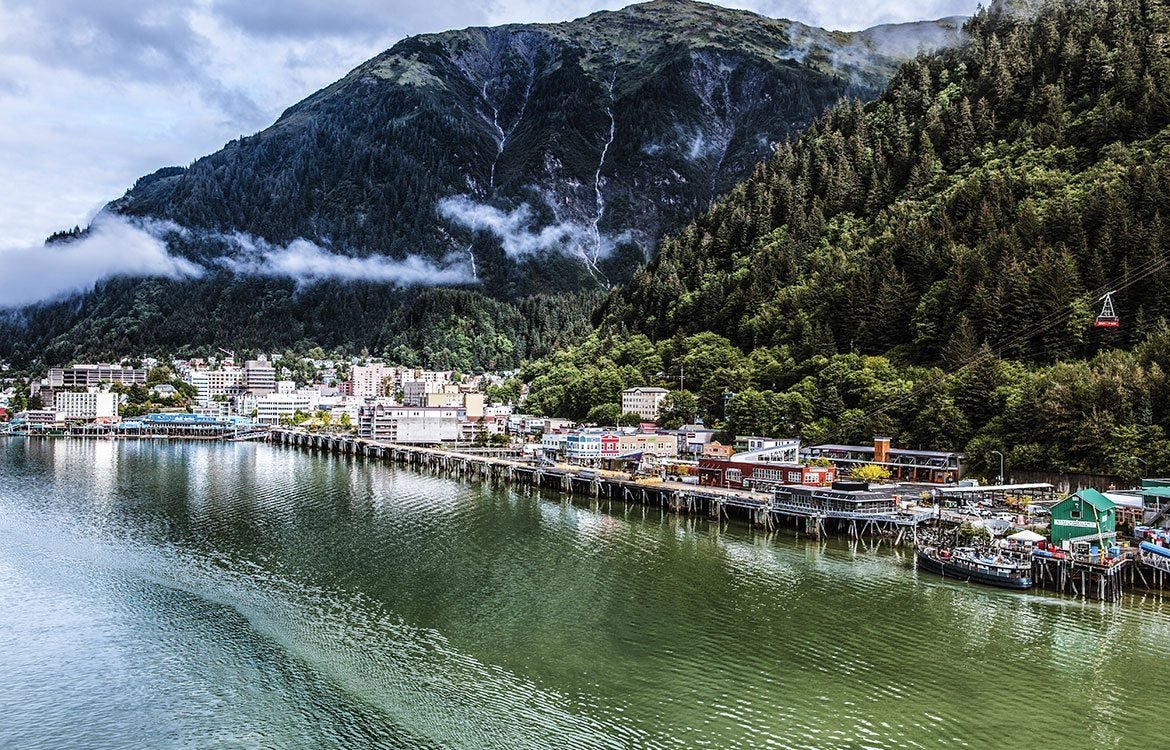
Choosing when to visit Alaska can make or break your trip. The difference between visiting in June versus January isn't just about temperature—it's about what you'll experience, what activities are available, and whether you'll see the midnight sun or the Northern Lights dancing overhead.
Alaska doesn't really have a "bad" time to visit, but it definitely has better times depending on what you want to do. Some travelers want glacier hikes and whale watching. Others dream of dog sledding under the aurora. And a lot of folks just want to know when they'll get the most bang for their buck without freezing or getting rained on constantly.
This guide breaks down every month of 2026 so you can pick the perfect time for your Alaska adventure.
🗓️ Quick Answer: When Should You Visit Alaska?
Here's the short version before we dive deep:
Best overall months (most activities, best weather):
June, July, August
Best for budget + fewer crowds:
May, September
Best for Northern Lights:
September, October, February, March
Best for winter sports:
December, January, February, March
Avoid if possible:
April (shoulder season chaos), November (early winter storms)
Now let's break down what makes each month unique.
Month-by-Month Guide to Visiting Alaska in 2026
January
Weather: Very cold (-10°F to 20°F), short daylight (5-6 hours)
Crowds: Very low
Prices: Low
What's Good
January is prime Northern Lights season. With long, dark nights and often clear skies, this is one of the best months for aurora viewing. Dog sledding, ice fishing, and winter sports are in full swing.
Fairbanks is the place to be for aurora hunting—it sits directly under the auroral oval and offers some of the most consistent displays anywhere on Earth.
What's Challenging
It's brutally cold. We're talking temperatures that can drop well below zero, especially in interior Alaska. Daylight is extremely limited, so outdoor activities need to be timed carefully. Many coastal attractions and lodges are closed.
Best Activities
Northern Lights viewing
Dog sledding
Ice fishing
Snowmobiling
Chena Hot Springs
→ Book a Northern Lights Tour to maximize your aurora chances
Who Should Visit
Hardcore winter enthusiasts, aurora chasers, photographers looking for dramatic winter landscapes.
February
Weather: Very cold (0°F to 25°F), increasing daylight (7-9 hours)
Crowds: Low
Prices: Low to moderate
What's Good
February is arguably the sweet spot for winter Alaska. You still get excellent Northern Lights viewing, but the weather is slightly more stable than January. Daylight is increasing, giving you more time for activities.
This is prime time for winter festivals like the Fur Rendezvous in Anchorage and the Yukon Quest dog sled race. The conditions are ideal for winter sports without the extreme cold of deep winter.
What's Challenging
Still very cold, though more manageable than January. Some weather systems can bring heavy snow. Limited services outside major towns.
Best Activities
Northern Lights tours
Dog sledding
Snowshoeing
Ice climbing
Winter festivals
Cross-country skiing
Who Should Visit
Winter sports enthusiasts, aurora photographers, festival-goers, anyone wanting winter Alaska without January's extreme cold.
March
Weather: Cold (10°F to 35°F), rapidly increasing daylight (11-13 hours)
Crowds: Low to moderate
Prices: Moderate
What's Good
March is one of the best months for Northern Lights combined with improving weather and longer days. You get the best of both worlds—still dark enough for aurora viewing but with more daylight for other activities.
The weather starts to warm up (relatively speaking), making outdoor winter activities more comfortable. Snow conditions are often excellent for skiing and snowmobiling.
What's Challenging
Weather can be highly variable—you might see spring conditions one day and winter storms the next. Some services are still closed, though more start opening toward month's end.
Best Activities
Northern Lights viewing (early month)
Dog sledding
Heli-skiing
Snowmobiling
Ice fishing
Winter photography
→ Check out our Winter Tours for March options
Who Should Visit
Aurora hunters who want milder weather, spring skiers, photographers, travelers wanting fewer crowds with decent conditions.
April
Weather: Cool (20°F to 45°F), long daylight (15-17 hours)
Crowds: Low
Prices: Low to moderate
What's Good
April is shoulder season, meaning lower prices and minimal crowds. Daylight hours increase dramatically—you'll have plenty of time for activities. Early April can still offer Northern Lights viewing in Fairbanks.
This is the last chance for winter activities before things start melting. Snow conditions can still be excellent for skiing and snowmobiling.
What's Challenging
This is breakup season—when winter transitions to spring. Roads can be muddy, trails are sloppy, and it's generally not the prettiest time in Alaska. Many tours and lodges are closed or operating on limited schedules.
Weather is unpredictable. You might get snow, rain, sunshine, or all three in one day.
Best Activities
Late-season skiing
Spring wildlife viewing (bears emerging from hibernation)
Aurora photography (early month)
Budget travel
Who Should Visit
Budget travelers willing to deal with shoulder season conditions, late-season skiers, photographers interested in transition seasons.
Who Should Avoid
First-time visitors—you won't see Alaska at its best. Anyone expecting summer activities or winter activities; you'll be stuck in between.
May
Weather: Cool to mild (35°F to 60°F), very long daylight (18-20 hours)
Crowds: Moderate
Prices: Moderate
What's Good
May is when Alaska starts to wake up. Wildlife becomes more active, birds migrate back, and trees begin to leaf out. The landscape transforms from brown and muddy to green and vibrant.
This is one of the best value months—you get lower prices than summer but increasing services and activities. Crowds are manageable, and you'll have nearly 20 hours of daylight by month's end.
What's Challenging
Early May can still be quite cold and snowy in higher elevations. Mosquitoes start emerging toward the end of the month. Some tours and lodges are still ramping up operations.
Best Activities
Wildlife viewing (bears, moose, migrating birds)
Hiking (lower elevation trails)
Fishing (rivers opening up)
Flightseeing
Glacier viewing
→ Explore our Summer Tours starting in May
Who Should Visit
Budget-conscious travelers, wildlife enthusiasts, photographers, anyone who wants to avoid peak season crowds while still accessing most activities.
June
Weather: Mild (45°F to 65°F), midnight sun (20-22 hours daylight)
Crowds: High
Prices: High
What's Good
June is when Alaska truly comes alive. This is the start of peak season for good reason—nearly 24 hours of daylight (literally in some parts), pleasant temperatures, and almost every activity is available.
Wildlife viewing is excellent. Bears are actively fishing, moose are everywhere with their calves, and whales are abundant in coastal waters. Wildflowers are blooming, and the landscape is stunning.
The midnight sun is surreal. You can hike at midnight, take photos at 11 PM, and maximize every single day.
What's Challenging
Mosquitoes. June is when they really start to swarm, especially in interior Alaska and near wetlands. Bring strong bug spray with DEET.
Prices jump significantly, and popular tours book up fast. Crowds increase, especially in places like Denali and Seward.
Best Activities
Glacier cruises (Kenai Fjords, Prince William Sound)
Whale watching
Bear viewing
Denali tours
Hiking
Fishing
Flightseeing with glacier landings
→ Book a K2 Flightseeing Tour for incredible aerial views
Who Should Visit
First-time visitors, families, wildlife enthusiasts, hikers, anyone who wants to experience Alaska at its most accessible and vibrant.
July
Weather: Warm (50°F to 70°F), midnight sun (18-20 hours daylight)
Crowds: Very high (peak season)
Prices: Very high
What's Good
July is peak Alaska. This is the warmest month with the best weather, longest days, and every single activity running at full capacity.
Salmon runs are in full swing, which means incredible bear viewing opportunities. Whale watching is at its best. Hiking trails are fully clear of snow, and wildflowers are at peak bloom.
If you want the classic Alaska experience—glaciers, wildlife, midnight sun, perfect weather—July delivers.
What's Challenging
This is the most crowded and expensive month. Popular destinations like Denali, Seward, and Juneau can feel genuinely busy. Tours book up months in advance.
Mosquitoes are still active, though they start to decrease toward the end of the month.
Best Activities
Salmon viewing and fishing
Bear watching (peak season)
Whale watching
Glacier hiking
Kayaking
Multi-day backpacking
Helicopter tours
→ Experience unforgettable views with Alaska Helicopter Tours
Who Should Visit
Anyone who wants guaranteed good weather and full access to all activities. Families with school-age kids. Photographers. Wildlife enthusiasts.
Who Should Avoid
Budget travelers (unless you've booked way in advance), anyone seeking solitude or crowd-free experiences.
August
Weather: Mild (45°F to 65°F), decreasing daylight (15-17 hours)
Crowds: High (but decreasing)
Prices: High (but starting to drop late month)
What's Good
August offers many of July's benefits with slightly fewer crowds and lower prices, especially after mid-month when kids go back to school.
Berry picking is excellent—blueberries, cranberries, and salmonberries are everywhere. Fall colors start appearing in higher elevations by late August.
Weather is still generally good, though you'll see more rain than July. Wildlife viewing remains excellent, with salmon runs continuing.
What's Challenging
Daylight decreases noticeably—by the end of August, you're losing over an hour of light per week. Rain becomes more frequent. Some tours start reducing schedules.
Best Activities
Berry picking
Fall colors photography (late month)
Fishing (silver salmon peak)
Hiking
Wildlife viewing
Glacier tours
Who Should Visit
Travelers with flexible schedules who want peak-season activities without quite the peak-season crowds and prices. Berry enthusiasts. Fall color photographers.
September
Weather: Cool (40°F to 55°F), autumn weather, 12-14 hours daylight
Crowds: Moderate (decreasing)
Prices: Moderate
What's Good
September is one of Alaska's best-kept secrets. Fall colors are absolutely stunning—vibrant reds, oranges, and golds blanket the landscape. The Northern Lights return, giving you a chance to see aurora without dealing with deep winter cold.
Crowds thin out significantly, prices drop, and the weather is often surprisingly nice with crisp, clear days. Wildlife viewing is still excellent—bears are fattening up for winter, and you might catch the tail end of salmon runs.
What's Challenging
Weather becomes less predictable. You'll definitely need rain gear and warm layers. Daylight decreases rapidly. Some services start closing for the season, especially smaller lodges and tour operators.
Best Activities
Fall colors photography
Northern Lights viewing (late month)
Wildlife viewing
Hiking without bugs
Fishing
Lower-priced tours
→ Combine fall colors with aurora viewing on our September Tours
Who Should Visit
Photographers (landscapes and aurora), budget travelers, anyone who wants to avoid crowds, hikers who hate mosquitoes.
October
Weather: Cold (25°F to 45°F), 8-10 hours daylight
Crowds: Low
Prices: Low
What's Good
October is prime Northern Lights season with long, dark nights and often clear skies. This is one of the best months for aurora photography without dealing with January's brutal cold.
Prices drop significantly. You can get deals on lodging and tours that would be impossible in summer. The landscape has a stark, dramatic beauty.
What's Challenging
Most summer activities are shut down. Coastal areas get a lot of rain and wind. Snow starts accumulating in higher elevations. Daylight is limited.
Many businesses close for the season. Your options for tours and accommodations become much more limited outside of Anchorage and Fairbanks.
Best Activities
Northern Lights viewing
Aurora photography
Off-season travel deals
Urban Alaska experiences (Anchorage museums, restaurants)
Who Should Visit
Aurora hunters who want good viewing without extreme cold, photographers, extreme budget travelers.
Who Should Avoid
First-time visitors, anyone wanting classic Alaska summer activities, people uncomfortable with very limited daylight.
November
Weather: Very cold (10°F to 30°F), very short daylight (5-7 hours)
Crowds: Very low
Prices: Very low
What's Good
Northern Lights viewing continues to be excellent. Prices are at rock bottom—this is the cheapest time to visit Alaska. If you're an aurora enthusiast on a budget, November offers opportunities.
Early winter sports like dog sledding and snowmobiling start becoming available.
What's Challenging
This is arguably the toughest month to visit Alaska. Weather is transitioning from fall to full winter, bringing unpredictable storms. Snow hasn't fully established yet, so conditions can be icy and messy.
Most tourist infrastructure is closed or operating on skeleton crews. Daylight is extremely limited. Coastal areas get hit with rain, wind, and early snow.
Best Activities
Northern Lights tours (if weather cooperates)
Early winter sports
Urban experiences
Who Should Visit
Extreme budget travelers, aurora chasers willing to gamble on weather.
Who Should Avoid
Most people. Unless you have a very specific reason (aurora photography, extreme budget constraints), other months offer better experiences.
December
Weather: Very cold (0°F to 25°F), minimal daylight (4-5 hours)
Crowds: Low
Prices: Low to moderate (increases around holidays)
What's Good
December has the darkest nights of the year, making it excellent for Northern Lights when skies are clear. The holiday season brings a special charm to Alaska towns with festive lights and events.
Winter activities are in full swing. Dog sledding, ice fishing, and snowmobiling are all available. Fairbanks hosts the Festival of Lights and other winter celebrations.
What's Challenging
Extremely limited daylight—in Fairbanks, you get about 3-4 hours of daylight at the winter solstice. Weather can be harsh with extreme cold and storms.
Holiday travel increases prices and competition for flights and lodging, especially around Christmas and New Year's.
Best Activities
Northern Lights viewing
Dog sledding
Winter festivals
Chena Hot Springs
Holiday events
Who Should Visit
Aurora enthusiasts, winter sports lovers, anyone seeking a unique holiday experience.
Best Time to Visit Alaska Based on Your Priorities
Best Weather & Most Activities
Winner: July
Runner-up: June, August
July offers the warmest temperatures, least rain, and every activity imaginable. If you want Alaska at its most accessible and visitor-friendly, July is your month.
Best Value (Price vs. Experience)
Winner: September
Runner-up: May, early June
September gives you still-good weather, Northern Lights returning, stunning fall colors, and significantly lower prices than peak summer.
Best for Northern Lights
Winner: February, March
Runner-up: September, October, January
Late winter offers the best combination of dark nights, stable weather, and comfortable-ish temperatures. September is great if you want aurora without brutal cold.
→ Book a Greatland Northern Lights Tour
Best for Wildlife Viewing
Winner: June, July
Runner-up: August, May
Summer months offer the most wildlife activity and accessibility. Bears fishing for salmon, whales feeding, moose with calves—it's all happening.
Best for Avoiding Crowds
Winner: May
Runner-up: September, winter months
May gives you increasingly good weather and activities without summer crowds. September works too, though weather is less predictable.
Best for Budget Travelers
Winner: November, January
Runner-up: February, April, October
Deep winter and shoulder seasons offer the lowest prices, but you'll sacrifice weather, activities, and convenience.
Sample Itineraries for Different Months
7-Day Summer Alaska (June-August)
Day 1: Arrive Anchorage, explore downtown
Day 2: Drive to Talkeetna, flightseeing tour
Day 3: Drive to Denali, evening wildlife viewing
Day 4: Denali bus tour deep into park
Day 5: Drive to Seward
Day 6: Kenai Fjords glacier cruise
Day 7: Exit Glacier hike, return to Anchorage
→ Browse our All Alaska Tours
5-Day Northern Lights Adventure (September, February-March)
Day 1: Fly to Fairbanks, rest and prepare
Day 2: Dog sledding + aurora viewing tour
Day 3: Chena Hot Springs day trip + aurora viewing
Day 4: Free day, optional activities + aurora viewing
Day 5: Morning departure
10-Day Budget Alaska (May or September)
Day 1-2: Anchorage (city exploration, museums)
Day 3: Matanuska Glacier hike
Day 4-5: Denali (camping or budget lodge)
Day 6-7: Drive Denali Highway (free, spectacular)
Day 8-9: Seward (budget lodging, free hiking)
Day 10: Return Anchorage
What to Pack for Alaska (By Season)
Summer (May-August)
Layers (temperatures vary 30+ degrees daily)
Rain jacket (waterproof, not water-resistant)
Sturdy hiking boots
Bug spray with DEET (essential June-July)
Sunglasses and sunscreen
Light gloves and warm hat (mornings and evenings)
Binoculars for wildlife
Fall (September-October)
Everything from summer list
Warmer jacket
Warmer layers (fleece, wool)
Waterproof pants
Warm gloves and hat
Hand warmers
Winter (November-March)
Heavy insulated parka (rated to -20°F or lower)
Insulated snow pants
Winter boots rated to -40°F
Multiple warm layers
Heavy gloves or mittens
Warm hat that covers ears
Face mask or balaclava
Hand and toe warmers
Sunglasses (snow glare)
→ Check our detailed Alaska Travel FAQ for complete packing lists
How Far in Advance Should You Book?
Peak Season (June-August)
Book: 3-6 months ahead
Popular tours like Kenai Fjords cruises, Denali bus tours, and flightseeing can sell out months in advance. Lodging in places like Seward and Talkeetna books up fast.
Shoulder Season (May, September)
Book: 1-3 months ahead
You have more flexibility, but popular tours still fill up. Book at least a month ahead to ensure you get your preferred dates.
Winter (October-April)
Book: 1-2 months ahead
Much more availability, though Northern Lights tours in Fairbanks can still fill up. Holiday periods (Christmas, New Year's) need earlier booking.
→ Contact us to help plan your Alaska adventure
Common Mistakes to Avoid
Visiting Only in One Season
Alaska in summer is completely different from Alaska in winter. If you can, visit both to get the full experience.
Underestimating Weather Variability
Even in summer, bring warm layers and rain gear. Alaska weather changes fast.
Trying to See Too Much
Alaska is massive. Pick 2-3 regions and explore them properly rather than rushing through five different areas.
Not Booking Popular Tours in Advance
Glacier cruises, Denali bus tours, and popular flightseeing trips sell out. Book early, especially for summer.
Forgetting About Daylight Hours
Plan your activities around available daylight, especially in winter months when you might only have 4-5 hours.
Final Verdict: When Should YOU Visit Alaska in 2026?
Here's the bottom line:
First-time visitors: June or July. You'll get the full Alaska experience with the best weather and all activities available.
Budget travelers: May or September. You'll save money while still accessing most activities.
Northern Lights chasers: February, March, or September. Best viewing with manageable weather.
Photographers: September (fall colors + aurora) or July (wildlife + midnight sun).
Families with school-age kids: July or August (school vacation).
Crowd avoiders: May, September, or winter months.
Wildlife enthusiasts: June or July (peak activity).
Winter sports lovers: February or March (better weather than deep winter).
There's no universally "best" time to visit Alaska—it depends entirely on what you want to experience. But with this guide, you can make an informed decision that matches your priorities, budget, and dream Alaska adventure.
→ Ready to start planning? Browse our Tour Options or Contact Us for personalized recommendations.
Alaska is waiting. Now you know exactly when to answer the call.