
Is Alaska Worth Visiting in 2026? A Realistic Guide for First-Time Travelers
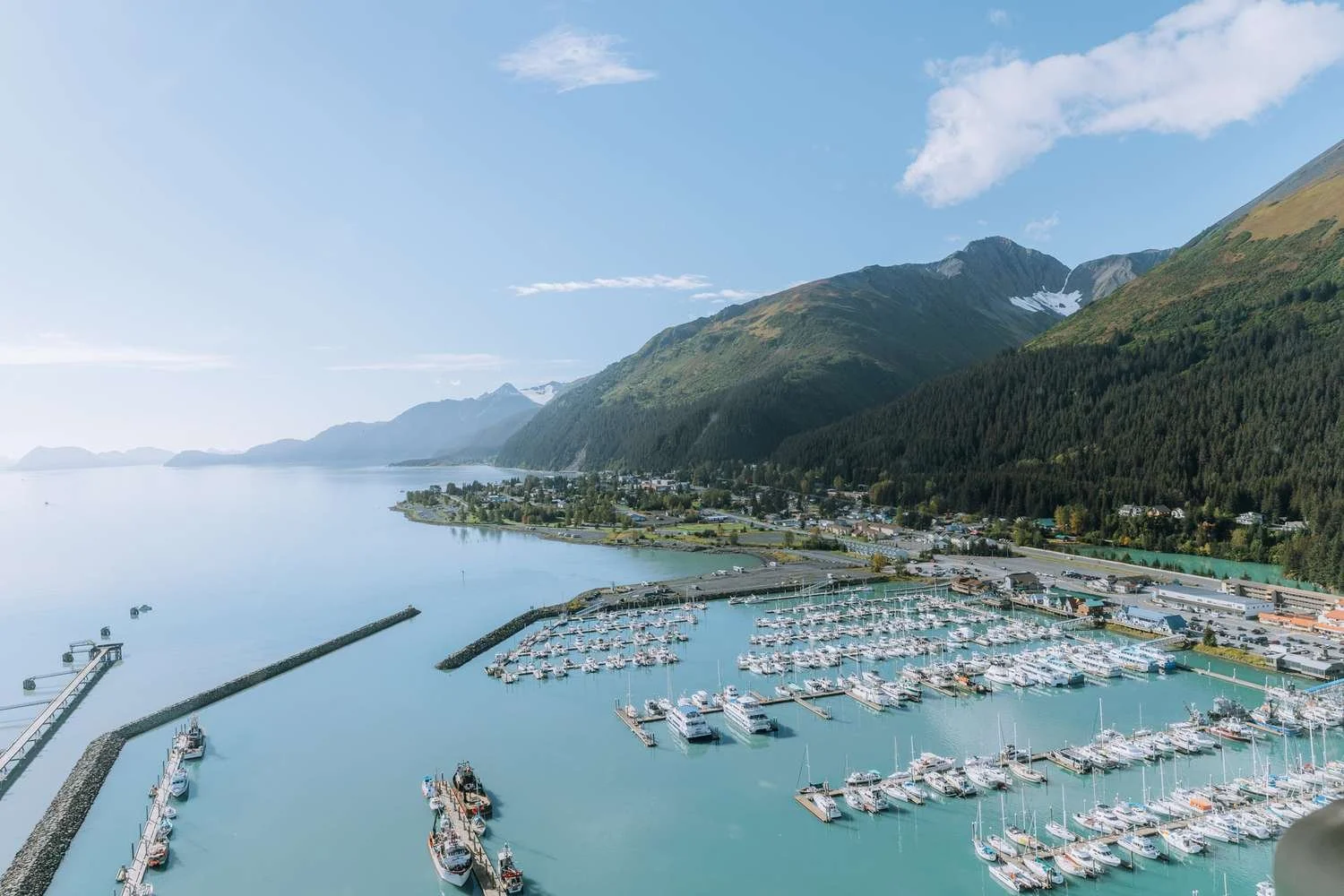
Planning a trip to Alaska isn't like booking a weekend in Seattle or a beach vacation in Florida. It's a bigger commitment—more planning, higher costs, and a whole lot of "should I actually do this?" second-guessing. If you're wondering whether Alaska is worth it in 2026, this guide will give you the honest breakdown: what's amazing, what's expensive, and what first-timers need to know before they book.
The short answer? Yes, Alaska is absolutely worth visiting—but only if you know what you're getting into.
🏔️ Why Alaska Should Be on Your Radar in 2026
Alaska isn't just another destination. It's one of the few places left in the United States where you can experience true wilderness, massive glaciers, incredible wildlife, and a sense of scale that's hard to find anywhere else. Whether you're watching grizzlies fish for salmon, standing on a glacier, or watching the Northern Lights dance overhead, Alaska delivers experiences that are genuinely hard to replicate.
But Alaska also comes with challenges: higher costs, unpredictable weather, and logistics that require more planning than your average vacation. That's why going in with realistic expectations (and ideally working with a local tour operator who knows the ropes) makes all the difference.
What Makes Alaska Different From Other US Travel Destinations
Here's what sets Alaska apart:
Size and Remoteness
Alaska is enormous—bigger than Texas, California, and Montana combined. That means distances between destinations are huge, roads are limited, and many of the best spots are only accessible by plane, boat, or serious hiking.
True Wilderness
This isn't a national park with paved trails and gift shops every mile. Alaska has real backcountry, real wildlife, and real risk if you're not prepared. That's part of the magic, but it also means you need to plan carefully.
Weather Unpredictability
Alaska weather can change fast. You might start the day in sunshine and end it in rain or fog. Layering is essential, and so is flexibility in your itinerary.
Higher Costs
Everything costs more in Alaska—flights, lodging, food, tours. That's just the reality of a remote location where most supplies have to be shipped or flown in.
The Honest Breakdown: What's Amazing vs. What's Challenging
What's Amazing
Glaciers You Can Actually Touch
Alaska has over 100,000 glaciers. You can hike on them, kayak near them, or take a helicopter tour to land on one. Places like Matanuska Glacier offer guided walks where you're literally standing on ancient ice.
Wildlife Viewing Like Nowhere Else
Grizzly bears, moose, whales, bald eagles, caribou, wolves—Alaska has them all. The best part? You don't need to go deep into the backcountry. Wildlife sightings happen on highways, in towns, and on guided tours.
The Northern Lights
If you visit between late August and April, Alaska is one of the best places on Earth to see the aurora borealis. Fairbanks and areas north of Anchorage offer incredible viewing opportunities.
Midnight Sun in Summer
Visit in June or July and you'll experience nearly 24 hours of daylight. It's surreal, energizing, and perfect for maximizing your adventure time.
Authentic Small-Town Alaska
Places like Talkeetna, Homer, and Seward give you a taste of real Alaskan culture—fishing communities, bush pilot stories, and locals who've been here for generations.
What's Challenging
The Price Tag
Alaska is not a budget destination. Expect to pay premium prices for flights, accommodations, and tours. A week-long trip for two people can easily run $4,000–$8,000 depending on your choices.
Weather Can Derail Plans
Fog, rain, and storms can cancel flights, close roads, and limit visibility. Always build buffer days into your itinerary and consider travel insurance.
Limited Infrastructure
Outside of Anchorage, Fairbanks, and Juneau, options are limited. You won't find a hotel on every corner, and many areas require advance reservations.
Mosquitoes and Bugs (Summer)
Alaska's mosquitoes are legendary—and not in a good way. Bring bug spray with DEET if you're visiting June through August.
Long Travel Times
Getting around Alaska takes time. Driving from Anchorage to Denali is 4+ hours. Reaching remote areas often requires small planes or ferries. Plan accordingly.
When to Visit Alaska in 2026
Your experience in Alaska depends heavily on when you go. Here's the breakdown by season:
Summer (June–August)
Best for: Wildlife, hiking, fishing, warm weather, midnight sun
Pros: Long daylight hours, warmest temperatures (60s–70s°F), everything is open, peak wildlife activity
Cons: Highest prices, biggest crowds, mosquitoes, Northern Lights not visible
Summer is peak season for a reason. It's the best time for first-timers who want to see everything Alaska has to offer without dealing with extreme cold or limited daylight.
Shoulder Season (May & September)
Best for: Budget travelers, Northern Lights (September), fewer crowds
Pros: Lower prices, less crowded, mild weather, fall colors in September
Cons: Some tours and lodges may be closed, weather more unpredictable
September is particularly excellent if you want aurora viewing combined with decent weather and lower costs.
Winter (October–March)
Best for: Northern Lights, dog sledding, winter sports, extreme adventure
Pros: Incredible aurora displays, winter activities, unique experiences, lowest prices
Cons: Very cold (below 0°F common), limited daylight, many tours/lodges closed, challenging driving conditions
Winter Alaska is magical but hardcore. It's best for travelers who specifically want the Northern Lights or winter sports.
Spring (April–May)
Best for: Unique experiences, thawing landscapes, early-season deals
Pros: Increasing daylight, wildlife starting to emerge, lower prices, fewer crowds
Cons: Unpredictable weather, muddy trails, some services still closed
Where First-Time Visitors Should Go
Alaska is massive, so you'll need to choose your focus areas. Here are the best bets for first-timers:
Anchorage
Most visitors fly into Anchorage, Alaska's largest city. It's a great base with easy access to glaciers, wildlife centers, and day tours. Spend 1–2 days here before heading elsewhere.
Denali National Park
Home to North America's tallest peak, Denali offers incredible wildlife viewing, bus tours deep into the park, and stunning landscapes. Budget 2–3 days.
Seward & Kenai Fjords
This coastal gem is famous for glacier cruises, whale watching, and sea kayaking. The scenery is jaw-dropping. Budget 2 days.
Talkeetna
A charming town at the base of Denali, Talkeetna is perfect for flightseeing tours, glacier landings, and experiencing small-town Alaska. Budget 1–2 days.
Fairbanks (Winter)
If you're visiting for the Northern Lights, Fairbanks is the place to be. It sits directly under the auroral oval and offers consistent viewing from late August through April.
Homer & Kenai Peninsula
Known as the "Halibut Fishing Capital of the World," Homer offers fishing charters, bear viewing, and stunning coastal scenery.
Sample Itineraries for 2026
7-Day Summer Alaska Trip
Day 1: Arrive in Anchorage, explore downtown
Day 2: Drive to Talkeetna, flightseeing tour with glacier landing
Day 3: Drive to Denali, evening wildlife viewing
Day 4: Denali bus tour deep into the park
Day 5: Drive to Seward via Anchorage
Day 6: Kenai Fjords glacier cruise
Day 7: Drive back to Anchorage, fly home
5-Day Winter Northern Lights Trip
Day 1: Fly into Fairbanks, afternoon rest
Day 2: Dog sledding + aurora viewing tour (night)
Day 3: Ice fishing + Chena Hot Springs + aurora viewing
Day 4: Free day + aurora viewing tour (night)
Day 5: Morning in Fairbanks, afternoon flight home
10-Day Ultimate Alaska Adventure
Day 1–2: Anchorage arrival, city exploration
Day 3: Matanuska Glacier hike
Day 4–5: Talkeetna (flightseeing, rafting)
Day 6–8: Denali National Park
Day 9–10: Seward (glacier cruise, kayaking, Exit Glacier hike)
How Much Does an Alaska Trip Really Cost?
Let's get real about money. Here's what you should budget per person for a week-long trip:
Budget Traveler
Flights: $400–$800 (book early)
Lodging: $80–$150/night (hostels, basic hotels)
Food: $40–$60/day
Tours/Activities: $300–$600
Rental Car: $400–$700/week
Total: ~$2,500–$4,000
Mid-Range Traveler
Flights: $500–$900
Lodging: $150–$250/night (nice hotels, B&Bs)
Food: $70–$100/day
Tours/Activities: $800–$1,500
Rental Car: $500–$900/week
Total: ~$4,500–$7,000
Luxury Traveler
Flights: $800–$1,500 (or more)
Lodging: $300–$600+/night (luxury lodges)
Food: $120–$200+/day
Tours/Activities: $2,000–$4,000
Private Guides/Charters: $1,000–$5,000+
Total: ~$10,000–$20,000+
Top Alaska Activities Worth the Money
Not all Alaska experiences are created equal. Here's what's genuinely worth splurging on:
Helicopter or Flightseeing Tours
Seeing Alaska from above changes everything. Glacier landings, views of Denali, and remote wilderness access are unforgettable. Budget $200–$600 per person depending on the tour length.
Glacier Cruises
Kenai Fjords and Prince William Sound offer boat tours that get you up close to tidewater glaciers. Watching ice calve off into the ocean is incredible. Budget $150–$250 per person.
Guided Glacier Hiking
Walking on a glacier with crampons and an experienced guide is surreal. Matanuska Glacier near Anchorage is one of the most accessible options. Budget $100–$200 per person.
Wildlife Viewing Tours
Whether it's bears in Katmai, whales in Seward, or moose in Denali, seeing Alaska's wildlife in their natural habitat is the highlight for many visitors. Budget $150–$400 per person.
Northern Lights Tours (Winter)
If you're visiting in winter, a guided aurora tour takes the guesswork out of finding clear skies and active displays. Local guides track weather and solar activity in real time. Budget $100–$200 per person.
→ Check out our Northern Lights Tours
Dog Sledding
Riding behind a team of huskies is quintessentially Alaskan. Many mushers offer tours where you can drive your own team. Budget $200–$400 per person.
What Tours Should You Actually Book?
Here's the honest take: booking with local tour operators saves you time, stress, and often money in the long run. Alaska's logistics are complicated, and guides know where to go based on current conditions.
Here's what's worth booking in advance:
Summer Must-Books:
Glacier cruises (Kenai Fjords, Prince William Sound)
Flightseeing tours with glacier landings
Denali bus tours into the park
Fishing charters
Multi-day adventure packages
Winter Must-Books:
Northern Lights tours
Dog sledding experiences
Ice fishing trips
Chena Hot Springs visits
→ Browse our All Alaska Tours
→ Explore Summer Tours
→ Explore Winter Tours
Common First-Timer Mistakes (And How to Avoid Them)
Mistake #1: Trying to See Too Much
Alaska is massive. Trying to hit Anchorage, Denali, Seward, Juneau, and Fairbanks in one week means you'll spend all your time traveling and none of it enjoying. Pick 2–3 regions and go deep.
Mistake #2: Not Booking Tours in Advance
Popular tours sell out months ahead, especially in summer. Glacier cruises, flightseeing, and Denali bus tours all book up fast. Reserve at least 2–3 months before your trip.
Mistake #3: Underestimating Drive Times
Google Maps can be misleading in Alaska. Roads are slower, wildlife crossings happen, and weather delays are common. Always add extra time to your driving estimates.
Mistake #4: Skipping Layers
Even in summer, Alaska weather changes constantly. Bring waterproof jackets, warm layers, and good boots. You can always take layers off, but you can't add what you didn't pack.
Mistake #5: Only Planning for Good Weather
Alaska weather is unpredictable. Build flexibility into your schedule and have backup plans. The best trips allow for spontaneous changes based on conditions.
Mistake #6: Not Bringing the Right Gear
Quality rain gear, hiking boots, and warm layers aren't optional. Check out our Alaska Travel FAQ for a complete packing list.
Is Alaska Family-Friendly?
Absolutely. Alaska is fantastic for families, but you'll want to choose age-appropriate activities.
Best for Young Kids (5–10):
Wildlife viewing (whales, bears from safe distances)
Glacier cruises
Train rides (Alaska Railroad)
Wildlife centers and aquariums
Easy hiking trails
Best for Teens (11–17):
Glacier hiking
Dog sledding
Fishing charters
Flightseeing tours
ATV adventures
Zip-lining
→ Explore family-friendly Hatcher Pass ATV Tours
Many tour operators offer family discounts and kid-friendly options. Just verify age requirements when booking.
Alaska in 2026: What's New and What to Expect
Increased Tourism Infrastructure
Alaska has been investing in visitor infrastructure, meaning more tour options, improved lodging, and better transportation between key destinations.
Sustainability Focus
More operators are emphasizing eco-friendly practices, small group sizes, and responsible wildlife viewing. This is great for travelers who want to minimize their impact.
Improved Technology for Aurora Viewing
Aurora forecasting has gotten better, and tour operators now use real-time tracking apps and weather monitoring to maximize your chances of seeing the lights.
More Direct Flights
Airlines continue adding direct routes to Anchorage from major US cities, making Alaska more accessible than ever.
How to Save Money on Your Alaska Trip
Alaska is expensive, but there are ways to reduce costs:
Book Early
Flights and tours get more expensive as you get closer to your travel dates. Book 3–6 months ahead for the best prices.
Visit Shoulder Season
May and September offer lower prices on lodging and tours while still providing great weather and experiences.
Cook Some Meals
Eating out for every meal adds up fast. Book accommodations with kitchens and prepare some meals yourself.
Mix Guided and Self-Guided
You don't need to book tours for everything. Combine guided experiences (glacier cruises, Northern Lights tours) with self-guided activities (hiking, scenic drives).
Consider Package Tours
Sometimes bundled tours offer better value than booking everything separately. Compare prices carefully.
Drive Instead of Fly Between Destinations
If time allows, driving saves money and lets you see more of Alaska's stunning scenery.
What People Get Wrong About Alaska
"Alaska is only worth visiting in summer"
Wrong. Winter Alaska is incredible if you want Northern Lights, dog sledding, and winter sports. It's just a different experience.
"Alaska is too expensive"
It's pricier than average, but smart planning and shoulder season travel make it accessible for many budgets.
"You need weeks to see Alaska properly"
While more time is always better, a well-planned 5–7 day trip can give you an amazing taste of Alaska's highlights.
"Alaska is dangerous"
With proper preparation and respect for wildlife and weather, Alaska is perfectly safe. Guided tours especially remove most risk.
"All of Alaska looks the same"
Alaska has incredible diversity—from coastal fjords to interior forests to arctic tundra. Each region feels completely different.
So... Is Alaska Actually Worth It in 2026?
Here's the bottom line: Alaska is worth visiting if you're looking for genuine wilderness adventure, incredible wildlife, and landscapes you can't find anywhere else.
It's NOT worth it if you're expecting luxury resorts, convenient infrastructure, or predictable weather.
Alaska rewards travelers who:
Come prepared with realistic expectations
Build flexibility into their plans
Invest in quality guided experiences
Respect the wilderness and wildlife
Embrace the unpredictability as part of the adventure
Who Should Definitely Visit Alaska:
Nature and wildlife enthusiasts
Photographers (landscape and wildlife)
Adventure seekers
Families looking for educational travel
Anyone who wants to see glaciers, bears, and whales in their natural habitat
Northern Lights chasers (winter)
Fishing enthusiasts
Who Might Want to Choose Another Destination:
Travelers seeking luxury beach resorts
People who need perfect weather guarantees
Visitors uncomfortable with outdoor activities
Anyone on an extremely tight budget
Travelers who prefer highly developed tourist infrastructure
Final Tips for First-Time Alaska Visitors
Work with Local Experts
Alaska's logistics are complex. Local tour operators know the terrain, weather patterns, and best spots for wildlife. They also handle permits, equipment, and safety protocols.
→ Explore our K2 Flightseeing Tours
→ Check out Alaska Helicopter Tours
Give Yourself Enough Time
Don't rush. Alaska is best experienced when you have time to pause, explore, and adapt to changing conditions.
Prepare for Weather Swings
Pack layers, bring quality rain gear, and have indoor backup plans. Weather changes fast in Alaska.
Respect Wildlife Distance
Never approach wildlife. Use telephoto lenses for photos and always follow guide instructions.
Stay Flexible
Your original itinerary might change due to weather, wildlife sightings, or once-in-a-lifetime opportunities. That's part of the Alaska magic.
Ask Questions
Tour operators, lodge staff, and locals love talking about Alaska. Ask for recommendations, current conditions, and insider tips.
→ Visit our FAQ page for answers to common Alaska travel questions
Ready to Book Your Alaska Adventure?
If you've read this far, chances are Alaska is calling you. And honestly? You should answer.
Alaska delivers experiences that stay with you forever—watching a grizzly catch salmon, standing on a glacier, seeing the Northern Lights paint the sky, or spotting a humpback whale breach right in front of your boat. These aren't things you see in photos or videos. They're visceral, real, and transformative.
Yes, Alaska requires more planning than a typical vacation. Yes, it costs more. But if you're looking for genuine adventure and natural beauty that hasn't been diluted by overdevelopment, Alaska is one of the last great frontiers in the United States.
The short answer to "Is Alaska worth visiting in 2026?"
Absolutely—if you come prepared, stay flexible, and embrace the wild.
→ Browse our Complete Tour Catalog
→ Learn more About Us and our local expertise
→ Contact Us to start planning your Alaska adventure
Alaska is waiting. The question isn't whether it's worth it—it's whether you're ready for it.
Have questions about planning your Alaska trip? Check out our FAQ section or contact our team for personalized recommendations. We've been guiding travelers through Alaska for years, and we'd love to help make your trip unforgettable.