
Northern Lights Tours in Alaska: When to Go, What to Expect & How to Book
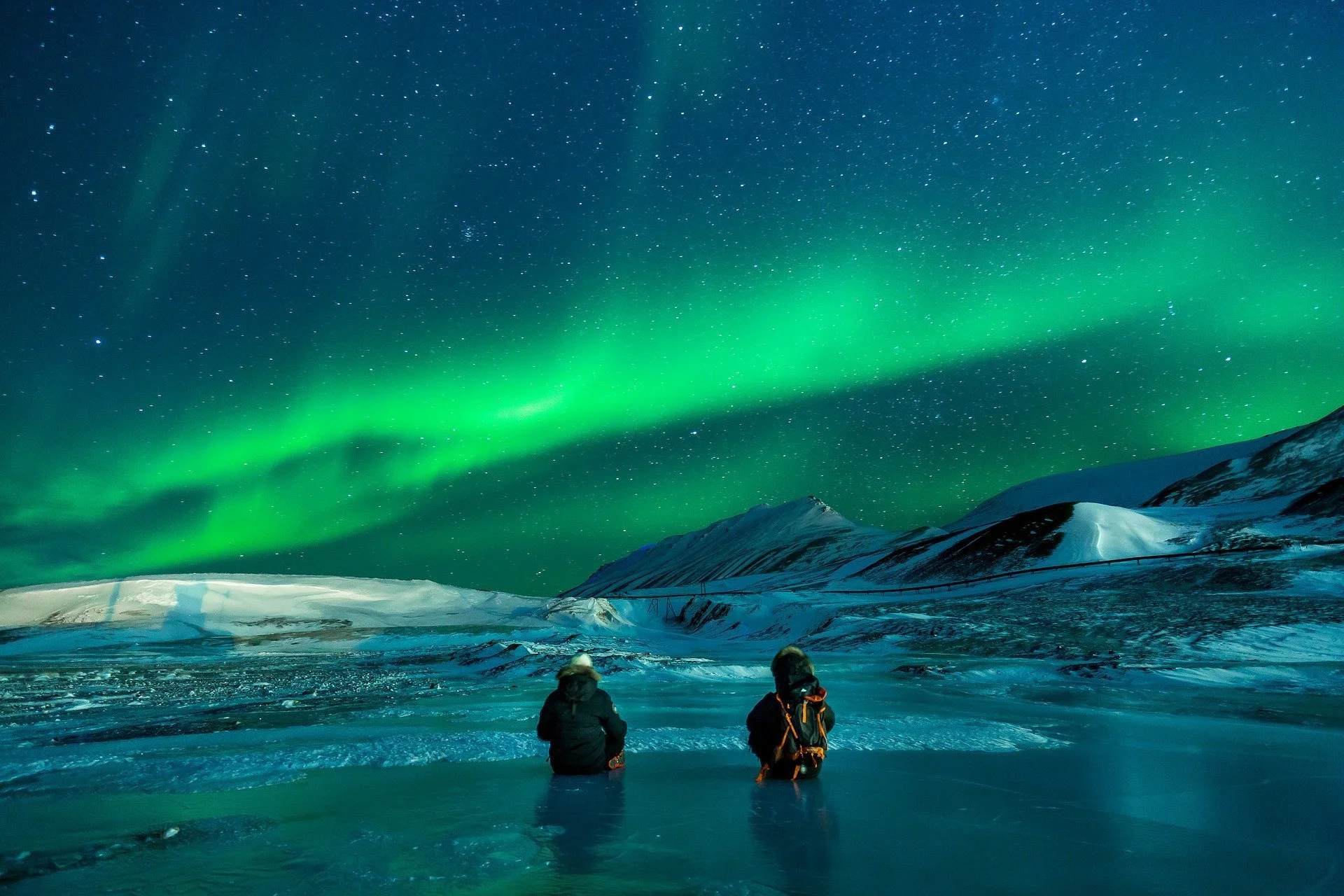
There's a reason the Northern Lights sit at the top of most travelers' bucket lists. Watching ribbons of green, purple, and red light ripple across an Alaska sky is one of those experiences that stays with you forever.
But here's the thing most first-timers don't realize: seeing the Northern Lights requires more than just showing up in winter. You need dark skies, clear weather, solar activity, and—most importantly—local knowledge about where to go and when.
That's where guided Northern Lights tours make all the difference.
Below is everything you need to know about booking a Northern Lights tour in Alaska—including the best months to visit, what a typical tour includes, how much to budget, and what to wear when you're standing outside at midnight in February.
🌌 Why Book a Northern Lights Tour Instead of Going Solo?
You absolutely can try to see the Northern Lights on your own. But unless you know Alaska well, a guided tour dramatically increases your chances of success.
Here's why:
Local guides know where to go
Cloud cover is the biggest obstacle to aurora viewing. A spot that's clear in Anchorage might be cloudy in Talkeetna—or vice versa. Experienced guides track weather patterns in real time and relocate to areas with open skies.
You avoid light pollution
Even small towns create enough artificial light to wash out fainter auroras. Guides take you to remote, pitch-black locations where the Lights are most visible.
Tours maximize your viewing window
Aurora activity peaks between 10 pm and 2 am. A good tour keeps you out during these prime hours and moves locations if clouds roll in.
You get photography help
Capturing the Northern Lights requires specific camera settings. Most guides help with tripod setup, exposure times, and composition—so you leave with photos worth sharing.
It's comfortable and safe
Heated vehicles, warm drinks, snacks, and professional drivers mean you can focus on the experience instead of worrying about navigation, weather, or staying warm.
Bottom line: If you want the highest chance of seeing the Northern Lights without the guesswork, a guided tour is the move.
→ Book with Greatland Northern Lights Tours
When Is the Best Time to Go on a Northern Lights Tour?
The Northern Lights are visible in Alaska roughly eight months out of the year—from late August through early April. But some months are significantly better than others.
Best Months (Ranked)
Top tier:
September – Long nights, mild weather, fall colors
October – Very dark, stable conditions, fewer crowds
February – Clear skies, deep cold, excellent aurora activity
March – Peak viewing month, improving weather, still very dark
Good months:
November – Dark but unpredictable weather
December – Darkest month but often cloudy
January – Extreme cold, occasional cloud cover
Possible but not ideal:
Late August – Darkness returns slowly
Early April – Increasing daylight reduces viewing window
If you want a deep dive into each month, check out our complete guide: Best Time to See the Northern Lights in Alaska (Month-by-Month Guide)
Why September & March Are Peak Season
September offers the perfect mix of darkness, comfortable temperatures, and stable weather. Nights are long enough for solid viewing, but you're not dealing with brutal cold or heavy snow.
March brings clearer skies as winter storms ease up. Temperatures are still cold but manageable, and aurora activity remains strong.
Both months book up fast—especially with quality tour operators. If you're planning a trip during peak season, reserve your spot 4–8 weeks ahead.
What About Summer?
The Northern Lights are technically active year-round, but Alaska's summer skies never get dark enough to see them. From mid-May through mid-August, the sun barely sets, making aurora viewing impossible.
If you're visiting Alaska in summer, focus on glacier tours, helicopter adventures, or ATV experiences instead.
What Does a Northern Lights Tour Include?
Not all aurora tours are created equal. Here's what you should expect from a high-quality Northern Lights experience.
1. Hotel Pickup & Drop-Off
Most tours include round-trip transportation from Anchorage-area hotels. You'll ride in a heated van or SUV—no need to rent a car or navigate icy roads in the dark.
2. Expert Local Guides
Your guide tracks aurora forecasts, monitors cloud cover, and chooses viewing locations based on real-time conditions. They also share stories about Alaska, the science behind the Lights, and tips for photography.
3. Multiple Viewing Locations
A good tour doesn't just park at one spot and hope for the best. If clouds move in, guides relocate to areas with clearer skies—sometimes driving 30–60 minutes to find the perfect view.
4. Hot Drinks & Snacks
Standing outside in the cold for hours requires fuel. Expect hot chocolate, coffee, tea, and light snacks to keep you warm and energized.
5. Photography Assistance
Most guides help guests set up cameras, adjust settings, and frame shots. Even if you only have a smartphone, they'll show you how to capture the moment.
6. Warm Gear (Sometimes Provided)
Some tour operators provide extra jackets, gloves, or blankets. Others expect you to bring your own layers. Check your booking confirmation to see what's included.
7. Small Group Sizes
Premium tours cap groups at 6–8 people. Smaller groups mean more personalized attention, easier vehicle logistics, and a better overall experience.
Greatland Adventures limits groups to seven guests per tour and uses advanced aurora forecasting to maximize success rates.
→ Learn more about Greatland Northern Lights Tours
How Long Do Northern Lights Tours Last?
Most tours run 6–8 hours, typically departing around 9 pm and returning between 2–4 am.
Here's a typical timeline:
9:00 pm – Hotel pickup
9:30–10:00 pm – Drive to first viewing location
10:00 pm–1:00 am – Aurora viewing (with possible relocation)
1:00–2:00 am – Final viewing session
2:00–4:00 am – Return to hotels
Why so late?
Aurora activity peaks between 10 pm and 2 am. Tours are structured to maximize your chances during these prime hours.
Some operators offer shorter 4–5 hour tours, but these reduce your viewing window and limit flexibility if conditions change.
Where Do Northern Lights Tours Go?
Tour locations vary depending on weather, but most operators focus on areas within 1–2 hours of Anchorage.
Popular Viewing Areas
Hatcher Pass
Remote mountain pass north of Palmer
Minimal light pollution
Stunning mountain backdrops for photos
Winter snowmobile tours often include aurora viewing
Knik River Valley
Wide-open landscapes
Easy vehicle access
Great for large aurora displays
Talkeetna Region
Dark skies with views of Denali (on clear nights)
Small-town charm
Often clearer than areas closer to Anchorage
Turnagain Arm
Scenic coastal views
Easy access from Anchorage
Sometimes used for last-minute clear-sky relocations
Guides choose locations based on that night's forecast. Flexibility is key—what works one night might be cloudy the next.
How Much Do Northern Lights Tours Cost?
Prices vary depending on group size, inclusions, and tour length.
Typical Pricing
Standard group tours: $150–$250 per person Small group premium tours: $250–$350 per person Private tours: $800–$1,500+ (for 2–6 people)
What Affects Price?
Group size – Smaller groups cost more but offer better service
Tour length – Longer tours with extended viewing windows cost more
Inclusions – Photography assistance, warm gear, premium snacks
Season – Peak months (September, March) sometimes have higher rates
Budget tip: Book early for the best rates. Last-minute bookings during peak season often come with premium pricing.
Is It Worth the Cost?
Absolutely—if you choose a reputable operator.
A well-run Northern Lights tour combines transportation, expertise, flexibility, and comfort. The alternative is renting a car, driving unfamiliar roads in the dark, guessing where to go, and potentially seeing nothing because you picked a cloudy spot.
For most travelers, the peace of mind and increased success rate are worth every dollar.
What Should You Wear on a Northern Lights Tour?
Alaska winter nights get cold—often well below freezing. Even in September or March, temperatures can drop into the teens or single digits.
Here's what to wear:
Base Layers
Thermal underwear (top and bottom)
Wool or synthetic long sleeves
Insulation
Fleece or down mid-layer
Insulated winter jacket (rated for subzero temps)
Outer Layer
Waterproof, windproof shell (if not built into your jacket)
Lower Body
Insulated pants or snow pants
Warm, waterproof boots (rated for -20°F or colder)
Wool or thermal socks
Accessories
Insulated gloves or mittens
Warm hat that covers your ears
Neck gaiter or scarf
Hand and toe warmers
Pro tip: Dress warmer than you think you need to. You'll be standing still for long periods, which makes you feel colder than if you were moving around.
For more packing advice, visit our Alaska Travel FAQ.
Do You Need Photography Equipment?
You don't need a professional camera to enjoy the Northern Lights, but if you want quality photos, here's what helps:
Best Setup
DSLR or mirrorless camera with manual settings
Wide-angle lens (14–24mm works great)
Sturdy tripod (essential for long exposures)
Extra batteries (cold drains them fast)
Smartphone Tips
Modern phones (iPhone 14+, Pixel, Samsung Galaxy) can capture decent aurora shots using night mode. Your guide can help with positioning and timing.
Most tour operators provide photography coaching regardless of your equipment level.
How Do You Know If You'll See the Northern Lights?
There's no guarantee—nature doesn't follow a schedule. But certain factors dramatically improve your odds.
What Needs to Align
Darkness – Viewing season (late Aug–early Apr)
Clear skies – No clouds blocking the view
Aurora activity – Solar storms creating visible displays
Low light pollution – Dark, remote locations
A good tour operator monitors all four factors and only goes out when conditions are favorable.
What If It's Cloudy?
Reputable operators offer flexible rebooking policies. If your tour is canceled due to weather, you'll be rescheduled for another night (if you have availability) or offered a refund.
Planning tip: Give yourself 2–3 nights in Alaska if possible. This increases your chances of catching at least one clear night.
Can You See the Northern Lights from Anchorage?
Yes—but it's rare and usually faint.
Anchorage sits at a lower latitude than prime viewing areas like Fairbanks. The city also has significant light pollution, which washes out all but the strongest aurora displays.
If you're staying in Anchorage, your best bet is booking a tour that takes you to darker, more remote locations.
Want to explore other Anchorage activities? Check out our guide: Best Things to Do in Anchorage (2026 Guide)
Fairbanks vs. Anchorage: Which Is Better for Northern Lights?
Fairbanks sits directly under the Auroral Oval, making it one of the best places on Earth for aurora viewing. Displays are brighter, more frequent, and visible even during moderate solar activity.
Anchorage is farther south, so you need stronger solar storms to see the Lights. But with the right tour operator, success rates are still very high—especially during peak months.
Why Choose Anchorage-Based Tours?
More convenient if you're already visiting Anchorage
Access to other activities (glacier tours, helicopter flights, ATV adventures)
Lower travel costs (no need to book separate flights to Fairbanks)
Still excellent viewing when conditions align
If Northern Lights are your primary goal and you have the flexibility, Fairbanks is unbeatable. But if you're planning a well-rounded Alaska trip, Anchorage-based tours work beautifully.
What Else Can You Do on a Winter Alaska Trip?
If you're visiting during Northern Lights season, consider pairing your aurora tour with other winter adventures.
Top Winter Experiences
Snowmobile Tours
Explore backcountry trails through the Talkeetna Mountains
See frozen valleys, snow-covered peaks, and remote wilderness
No experience required—guides provide full training
→ Book a Hatcher Pass Snowmobile Adventure
Helicopter Glacier Dogsledding
Fly over snow-covered mountains
Land on a glacier
Ride with a team of sled dogs across the ice
→ Explore Alaska Helicopter Tours
Winter Flightseeing
See Denali and the Alaska Range blanketed in snow
Stunning contrast between white glaciers and granite peaks
Optional glacier landing for a true bucket-list experience
→ Check out K2 Flightseeing Tours
Ice Fishing, Snowshoeing, and More For a full breakdown of winter activities, visit our Winter Tours page.
How to Book a Northern Lights Tour
Booking is straightforward, but a few tips will help you get the best experience.
1. Choose a Reputable Operator
Look for:
Small group sizes (6–8 people max)
Flexible weather policies (reschedule or refund if canceled)
Experienced guides with local knowledge
Strong reviews from past guests
Greatland Adventures checks all these boxes and has been helping travelers see the Northern Lights for years.
→ Book your Greatland Northern Lights Tour
2. Book Early (Especially for Peak Season)
September, October, February, and March fill up quickly. Reserve your spot at least 4–6 weeks ahead to secure your preferred dates.
3. Build Flexibility Into Your Itinerary
Weather is unpredictable. If possible, plan 2–3 nights in Alaska so you have backup options if your first tour gets rescheduled.
4. Confirm What's Included
Check your confirmation email for details on:
Pickup location and time
What gear is provided (if any)
Cancellation policy
Photography equipment recommendations
5. Communicate Special Needs
If you have mobility concerns, dietary restrictions, or other special requirements, let the tour operator know when booking. Most are happy to accommodate.
What If the Northern Lights Don't Appear?
It happens. Even during peak season, some nights simply don't produce visible aurora activity.
Here's what reputable operators do:
Weather Cancellations
If cloud cover makes viewing impossible, your tour will be canceled ahead of time and rescheduled (or refunded).
Low Aurora Activity
If the sky is clear but the Lights are faint or absent, most operators still run the tour. You'll get the full experience—just without a strong aurora show.
Why? Because aurora forecasts aren't perfect. Sometimes activity picks up unexpectedly. A good guide will keep you out longer if there's a chance of a late-night display.
Refund Policies
Policies vary by operator. Some offer partial refunds or discounts on future tours if you don't see the Lights. Others have a "no aurora guarantee" policy but provide an exceptional experience regardless.
Always check the cancellation and refund terms before booking.
FAQs About Northern Lights Tours
Can kids go on Northern Lights tours?
Yes, but check age restrictions. Most tours welcome children 5+, though late-night hours can be tough for younger kids. Some operators offer private family tours with flexible timing.
Do I need to tip my guide?
Tips aren't required but are appreciated. If your guide goes above and beyond—relocating multiple times, helping with photography, sharing great stories—a $10–$20 tip per person is a nice gesture.
Can I see the Northern Lights in the summer?
No. Alaska's summer skies stay too bright for aurora viewing. Plan your trip between late August and early April.
How cold does it get?
It varies by month. September and October can be 20–40°F. January and February often drop below 0°F. March warms up slightly to 10–30°F.
What if I don't have warm enough clothes?
Some operators provide extra gear, but it's best to bring your own. Anchorage has plenty of outdoor stores where you can rent or buy cold-weather gear if needed.
Are Northern Lights tours wheelchair accessible?
Most standard tours aren't fully accessible due to uneven terrain and remote locations. However, some operators offer private tours with customized accommodations. Contact the tour provider directly to discuss options.
For more answers, visit our FAQ page.
Final Thoughts: Why a Northern Lights Tour Is Worth It
The Northern Lights are unpredictable, elusive, and absolutely magical. Seeing them requires patience, timing, and local expertise—which is exactly what a good tour provides.
Yes, you could try to chase the aurora on your own. But after helping thousands of travelers see the Lights over the years, we can tell you this: people who book guided tours have a much higher success rate.
The right operator will:
Track weather and solar activity in real time
Relocate to clear skies when needed
Provide warm transport, snacks, and photography help
Keep you safe and comfortable in the Alaska wilderness
If the Northern Lights are on your bucket list, don't leave it to chance.
→ Book with Greatland Northern Lights Tours and give yourself the best shot at witnessing one of nature's most incredible phenomena.
For more Alaska travel tips, tour recommendations, and local insights, explore our blog or browse our full lineup of Alaska adventures.
See you under the aurora.