
Summer vs Winter Alaska Tours: What You’ll See, Do & Spend
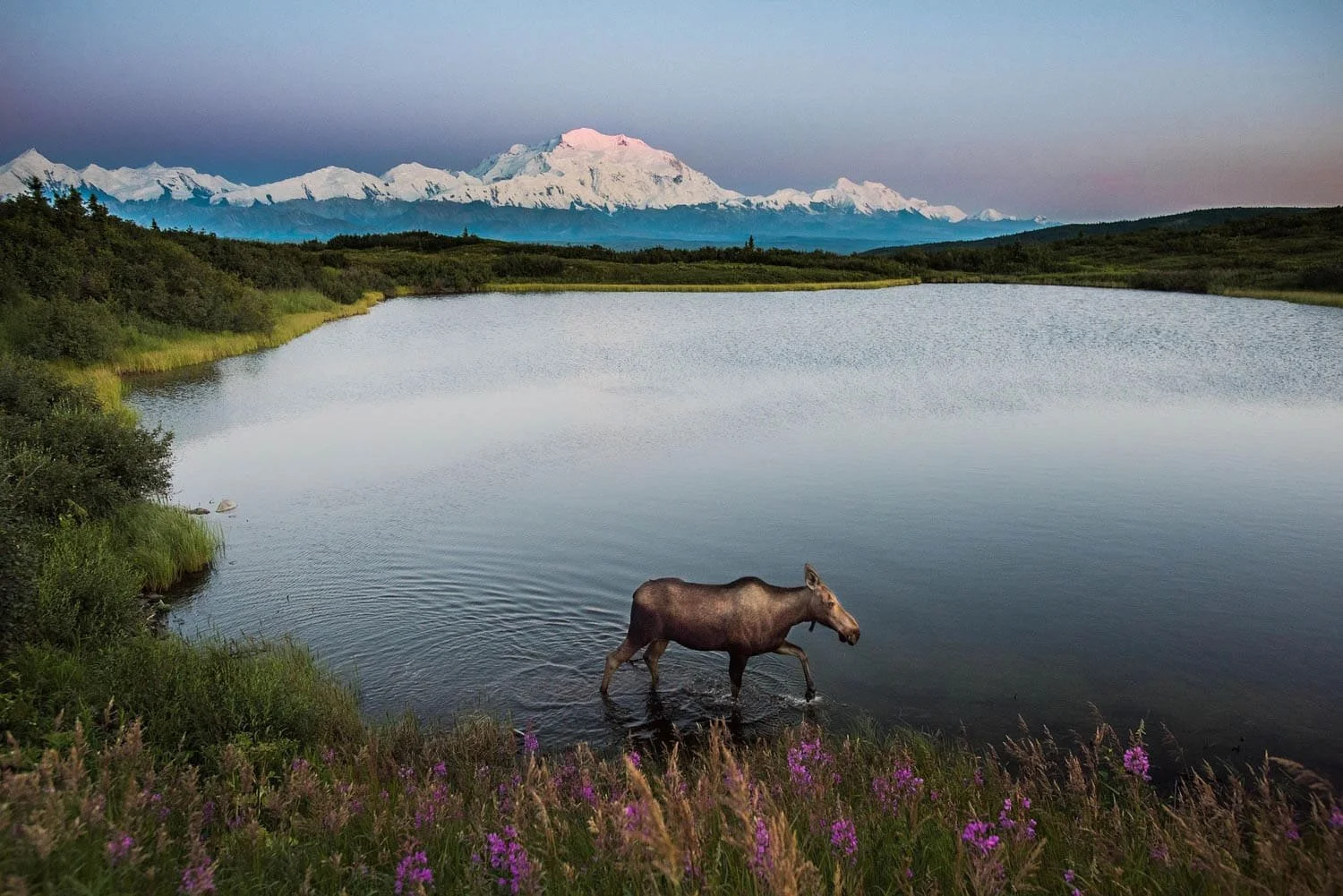
One of the first questions people ask when planning an Alaska trip is: "Should I visit in summer or winter?"
The answer isn't straightforward—because summer and winter Alaska are completely different experiences. Summer brings endless daylight, wildlife abundance, and easy access to glaciers. Winter offers Northern Lights, snow sports, and an uncrowded, magical landscape that feels like stepping into Narnia.
Below is an honest comparison of summer vs winter Alaska tours—what you'll see, what you'll do, what you'll spend, and which season aligns best with your travel style. By the end, you'll know exactly when to book your Alaska adventure.
🌞 Summer Alaska (May–September): The Classic Experience
Summer is Alaska's peak season—and for good reason. The weather is warm, the days are incredibly long, and almost every tour operator is running at full capacity.
What You'll Experience in Summer
Daylight: In June and July, Alaska gets 18–22 hours of daylight depending on latitude. The sun barely sets, giving you endless time to explore without rushing back before dark.
Weather: Temperatures range from 55–75°F in most of Alaska. Anchorage averages 65°F in July. It's warm enough for t-shirts during the day, but you'll still want layers for cooler mornings and evenings.
Wildlife: Summer is peak season for wildlife viewing. Bears fish for salmon, whales feed heavily in coastal waters, moose calve in spring, and puffins nest on cliffs. If you want to see Alaska's iconic animals, summer delivers.
Accessibility: Roads are clear, trails are snow-free, and every tour—from flightseeing to glacier cruises to ATV adventures—operates daily. You'll have maximum flexibility and the widest range of activities to choose from.
Crowds: Summer is busy. Popular destinations like Seward, Denali, and glacier cruise ports fill with cruise ship passengers and independent travelers. Book tours early and expect to share experiences with other visitors.
Best Summer Tours & Activities
Here's what summer Alaska does best:
Glacier Flightseeing with Landing Flying over Denali and landing on a glacier is Alaska's most iconic summer experience. The contrast between snow-covered ice and green valleys below is stunning, and stepping onto a glacier surrounded by mountain peaks is unforgettable.
→ Book your K2 Flightseeing Tour
Helicopter Glacier Tours Helicopters fly lower and slower than planes, offering incredible views and more time on the ice. Many tours include extras like dogsledding, ice trekking, or paddleboarding on glacial melt pools.
→ Explore Alaska Helicopter Tours
Whale & Wildlife Cruises Kenai Fjords and Prince William Sound cruises are spectacular in summer. You'll see humpback whales breaching, orcas hunting, sea otters floating on their backs, and tidewater glaciers calving into the ocean.
ATV & Backcountry Adventures Riding an ATV through alpine meadows, crossing creeks, and climbing mountain trails is a blast. Summer tours take you through wildflower-covered valleys with stunning glacier views.
→ Book Hatcher Pass ATV Tours
Hiking & Trekking Trails are snow-free and accessible. From easy coastal walks to challenging alpine routes, summer hiking showcases Alaska's diverse landscapes.
Fishing World-class salmon and halibut fishing peaks in summer. Charter boats and guided river trips offer incredible angling opportunities.
Kayaking & Paddleboarding Glacier-fed lakes and protected bays provide stunning paddling experiences. No experience required—guides provide full instruction.
What You WON'T See in Summer
Northern Lights: Alaska's summer skies never get dark enough to see the aurora. If Northern Lights are a priority, skip summer entirely.
Winter Sports: No snowmobiling, dogsledding (except on glaciers via helicopter), or cross-country skiing.
Frozen Landscapes: Rivers flow freely, lakes are ice-free, and the landscape is green and lush—beautiful, but not the winter wonderland some travelers envision.
Summer Pricing
Summer is the most expensive time to visit Alaska.
Typical costs:
Glacier flightseeing: $450–$700 per person
Helicopter tours: $500–$1,000+ per person
Wildlife cruises: $180–$250 per person
ATV tours: $200–$350 per person
Accommodations: $150–$300+ per night (hotels)
Why summer costs more:
Peak demand (limited availability)
All tours operating (higher operational costs)
Cruise ship season (drives up prices across the board)
Money-saving tip: Visit in May or September (shoulder season) for 20–30% lower prices with nearly identical experiences.
❄️ Winter Alaska (October–April): The Magical, Uncrowded Alternative
Winter Alaska is a completely different world. The landscape transforms into a snow-covered wilderness, the Northern Lights dance overhead, and crowds disappear almost entirely.
What You'll Experience in Winter
Darkness: Winter days are short. December gets just 5–6 hours of daylight in Anchorage. But darkness is what makes the Northern Lights possible—and they're worth every second of cold.
Weather: Temperatures vary widely. October and March average 20–40°F. December through February can drop to -10°F to +20°F. It's cold, but proper layering makes it manageable.
Northern Lights: This is THE reason to visit Alaska in winter. From late August through early April, the aurora borealis lights up the sky in green, purple, and red waves. Seeing it in person is bucket-list magic.
Snow Sports: Snowmobiling, dogsledding, cross-country skiing, and ice climbing are all available. Winter Alaska is an adventure playground for cold-weather enthusiasts.
Solitude: Crowds vanish after September. You'll often have tours, trails, and viewpoints to yourself. It's Alaska at its most peaceful and pristine.
Winter-Only Experiences: Frozen waterfalls, ice fishing, aurora viewing, and landscapes that look straight out of a fantasy novel.
Best Winter Tours & Activities
Here's what winter Alaska does best:
Northern Lights Tours The aurora is the crown jewel of winter Alaska. Guided tours take you to dark, remote locations, track forecasts in real time, and relocate to clear skies when needed. Hot drinks, warm vehicles, and expert guides make the experience comfortable and successful.
→ Book your Greatland Northern Lights Tour
For a complete guide on timing, check out: Best Time to See the Northern Lights in Alaska
Snowmobile & Winter ATV Tours Riding a snowmobile through frozen valleys and snow-covered mountains is exhilarating. Trails wind through remote wilderness, past frozen lakes, and up to stunning viewpoints. Heated UTVs are also available for those who want a warmer ride.
→ Explore Winter Tours
Helicopter Glacier Dogsledding This is pure Alaska magic. You'll fly over snow-covered peaks, land on a glacier, and ride with a team of sled dogs across the ice. It combines flightseeing, mushing, and winter adventure into one unforgettable experience.
→ Book Helicopter Dogsledding
Winter Flightseeing Denali and the Alaska Range are even more dramatic under a blanket of snow. Winter flightseeing offers stunning contrast—white glaciers against dark granite, frozen rivers carving through valleys, and endless untouched wilderness.
→ Check out K2 Flightseeing Tours
Ice Climbing & Winter Hiking Frozen waterfalls become ice climbing routes. Guided tours provide all gear and instruction—no experience necessary.
Fat Biking Specialized bikes with oversized tires let you ride groomed winter trails through snowy forests and along frozen rivers.
What You WON'T See in Winter
Whales: Marine tours shut down in winter. Whales migrate south, and icy conditions make boat travel impossible.
Summer Wildlife: Bears hibernate. Most birds migrate. Moose are visible, but wildlife diversity drops significantly.
Wildflowers & Green Landscapes: Everything is white. Beautiful in its own way, but not lush or colorful.
Long Days: Short daylight limits activity windows. You'll need to plan efficiently and embrace the darkness.
Winter Pricing
Winter is significantly cheaper than summer—sometimes 30–50% lower.
Typical costs:
Northern Lights tours: $200–$350 per person
Snowmobile tours: $200–$350 per person
Helicopter dogsledding: $500–$800 per person
Winter flightseeing: $300–$600 per person
Accommodations: $80–$150 per night (hotels)
Why winter costs less:
Fewer tourists (less demand)
No cruise ships (lowers competition for services)
Off-season discounts
Hidden savings: Rental cars, restaurants, and activities all offer lower rates in winter.
Side-by-Side Comparison: Summer vs Winter
Let's break it down category by category.
Weather & Comfort
Summer:
Warm and comfortable (55–75°F)
Light jacket sufficient
No extreme cold to manage
Rain is common but manageable
Winner: Summer (unless you love winter)
Winter:
Cold to very cold (-10°F to +40°F)
Requires serious layering
Short days limit activity time
Clear, dry weather is common
Winner: Depends on cold tolerance
Wildlife Viewing
Summer:
Bears fishing for salmon
Whales breaching in coastal waters
Puffins nesting on cliffs
Moose, caribou, Dall sheep active
Maximum species diversity
Winner: Summer (by a landslide)
Winter:
Moose browsing in valleys
Eagles near open water
Mountain wildlife (limited)
Most marine life absent
Bears hibernating
Unique Experiences
Summer:
Glacier cruises
Whale watching
ATV adventures
Kayaking
Hiking
Midnight sun
Winner: Summer (more variety)
Winter:
Northern Lights
Snowmobiling
Dogsledding
Ice climbing
Winter photography
Solitude
Winner: Winter (more magical)
Photography Opportunities
Summer:
Lush green landscapes
Wildlife abundance
Wildflowers
Midnight sun lighting
Tidewater glaciers calving
Winner: Tie (different styles)
Winter:
Northern Lights
Snow-covered mountains
Frozen landscapes
Dramatic contrast
Winter wildlife
Winner: Tie (different styles)
Crowds & Availability
Summer:
Very crowded (cruise ships + independent travelers)
Tours book out weeks ahead
Popular spots feel touristy
Shared experiences
Winner: Winter
Winter:
Nearly empty
Tours rarely sell out
Private or small group experiences
Feels remote and authentic
Winner: Winter (by far)
Cost
Summer:
High season pricing
$2,000–$4,000+ per person (week-long trip)
Limited deals or discounts
Winner: Winter
Winter:
Off-season pricing
$1,200–$2,500 per person (week-long trip)
Frequent discounts available
Winner: Winter (30–50% cheaper)
Accessibility
Summer:
All roads open
All tours operating
Maximum flexibility
Easy to navigate
Winner: Summer
Winter:
Some roads close
Fewer tour options
Weather-dependent activities
Requires planning
Winner: Summer
Which Season Is Right for YOU?
Still not sure? Here's how to decide.
Choose Summer If:
You want to see wildlife – Bears, whales, puffins are summer-only
You prefer warm weather – Comfort over adventure
You want maximum options – All tours and activities available
You're traveling with kids – Easier logistics, family-friendly
You have limited cold tolerance – Winter Alaska isn't for everyone
You want to hike extensively – Trails are snow-free and accessible
Choose Winter If:
Northern Lights are a priority – This is the ONLY reason many people visit Alaska
You love winter sports – Snowmobiling, dogsledding, skiing
You prefer solitude – Crowds disappear after September
You're on a budget – Winter is significantly cheaper
You want a unique experience – Winter Alaska feels otherworldly
You're a photographer – Aurora and winter landscapes are stunning
Choose Shoulder Season (May or September) If:
You want the best of both worlds – Decent weather, fewer crowds, lower prices
You're flexible – Some tours may have limited schedules
You value balance – Not too hot, not too cold, not too crowded
September bonus: Northern Lights season begins, so you can potentially see aurora AND enjoy comfortable weather.
For more on what to do in Alaska year-round, check out: Best Things to Do in Anchorage (2026 Guide)
What About Shoulder Seasons? (May & September)
Shoulder seasons offer incredible value—you get near-summer conditions with winter pricing.
May
What's great:
Spring wildlife (bears emerging, birds migrating, moose calving)
Long days returning
Snow-capped mountains
20–30% lower prices than peak summer
What's challenging:
Some trails still snow-covered
Cool temperatures (40–55°F)
Unpredictable weather
Best for: Budget travelers, photographers, wildlife enthusiasts
September
What's great:
Northern Lights season begins
Fall colors (tundra turns red, gold, orange)
Comfortable temps (45–60°F)
Fewer crowds
Lower prices
What's challenging:
Days shortening (but still 12+ hours of daylight)
Some tours reducing schedules
Weather becomes less predictable
Best for: Aurora chasers who also want decent weather, photographers, budget travelers
Bottom line: If you can visit in May or September, you'll get excellent experiences at significantly lower costs.
Sample Itineraries: Summer vs Winter
Here's what a typical Alaska trip looks like in each season.
5-Day Summer Itinerary
Day 1: Arrive in Anchorage, explore downtown, Coastal Trail Day 2: Glacier flightseeing with landing (Denali/Talkeetna) Day 3: Kenai Fjords wildlife cruise (whales, glaciers, puffins) Day 4: ATV adventure in Hatcher Pass Day 5: Scenic drive to Seward, hike Exit Glacier, return home
Cost estimate: $2,500–$3,500 per person (tours, lodging, meals, transport)
5-Day Winter Itinerary
Day 1: Arrive in Anchorage, explore downtown Day 2: Winter flightseeing over Denali Day 3: Snowmobile tour in Hatcher Pass Day 4: Northern Lights tour (evening) Day 5: Helicopter glacier dogsledding, return home
Cost estimate: $1,500–$2,200 per person (tours, lodging, meals, transport)
Savings: $800–$1,300+ in winter vs summer for similar experiences
Seasonal Packing Lists
What you pack makes or breaks your Alaska experience.
Summer Packing
Clothing:
T-shirts and long-sleeve shirts
Fleece or light sweater
Waterproof jacket (rain is common)
Long pants (jeans or hiking pants)
Shorts (optional, for warm days)
Comfortable walking shoes
Light hiking boots
Gear:
Sunglasses and sunscreen (yes, seriously)
Bug spray (mosquitoes are active June–August)
Daypack for tours
Reusable water bottle
Camera with extra batteries
Winter Packing
Clothing:
Base layers (thermal top and bottom)
Insulated mid-layers (fleece, down)
Heavy winter jacket (rated for subzero temps)
Waterproof outer shell
Insulated pants or snow pants
Warm boots (rated -20°F or colder)
Wool or synthetic socks (multiple pairs)
Insulated gloves or mittens
Warm hat covering ears
Neck gaiter or scarf
Hand and toe warmers
Gear:
Sunglasses (snow glare is intense)
Lip balm and moisturizer (dry air)
Headlamp (for long winter nights)
Camera with extra batteries (cold drains them fast)
For detailed packing advice, visit our FAQ page.
Summer vs Winter: Cost Breakdown
Here's a realistic comparison of what you'll spend.
Accommodation
Summer:
Budget: $100–$150/night
Mid-range: $150–$250/night
Upscale: $250–$400+/night
Winter:
Budget: $60–$100/night
Mid-range: $100–$150/night
Upscale: $150–$250/night
Savings: 30–40% in winter
Tours
Summer:
Glacier flightseeing: $450–$700
Helicopter tours: $500–$1,000
Wildlife cruises: $180–$250
ATV tours: $200–$350
Winter:
Northern Lights tours: $200–$350
Snowmobile tours: $200–$350
Helicopter dogsledding: $500–$800
Winter flightseeing: $300–$600
Savings: 15–30% on most tours
Rental Cars
Summer: $80–$150/day Winter: $50–$100/day
Savings: 30–40% in winter
Restaurants
Summer: Moderate to expensive (tourist pricing) Winter: Lower prices, local-focused menus
Savings: 15–25% in winter
Total Week-Long Trip
Summer: $2,500–$4,500 per person Winter: $1,500–$3,000 per person
Overall savings: $800–$1,500+ in winter
Frequently Asked Questions
Can you see the Northern Lights in summer?
No. Alaska's summer skies never get dark enough. Northern Lights are only visible from late August through early April.
Is winter Alaska too cold for most people?
Not if you dress properly. With the right layers, -10°F feels manageable. Most tours provide warm vehicles, hot drinks, and breaks to warm up.
Do I need a 4WD vehicle in winter?
Not necessarily. Main roads in Anchorage and surrounding areas are well-maintained. But if you're driving to remote areas or during heavy snow, 4WD helps.
Are summer crowds really that bad?
In popular spots (Seward, Denali, Talkeetna), yes. Cruise ships bring thousands of passengers daily. Book tours early and expect to share experiences.
Which season is better for photography?
Both are incredible but different. Summer offers lush landscapes and wildlife. Winter offers Northern Lights and dramatic snow-covered scenery.
Can I see wildlife in winter?
Yes, but diversity is limited. Moose, eagles, and mountain goats are visible. Bears, whales, and most birds are absent.
What if I only have one chance to visit Alaska?
If you can only visit once, summer offers the most variety—wildlife, glaciers, activities, and comfortable weather. But if Northern Lights are a priority, winter is non-negotiable.
Combining Summer & Winter: The Ultimate Alaska Trip
Some travelers visit Alaska twice—once in summer, once in winter—to experience both sides.
Why it works:
See everything Alaska offers
Northern Lights + wildlife
Experience seasonal contrasts
Build deeper connection with the state
How to plan it:
Summer trip: 5–7 days (June–August)
Winter trip: 3–5 days (February–March)
Focus each trip on season-specific activities
Cost: Yes, it's expensive. But spreading trips across different years makes it manageable—and you'll have two incredible Alaska experiences instead of one.
Final Verdict: Which Season Wins?
There's no universal answer—it depends entirely on what you want.
Summer wins if:
Wildlife is your priority
You want maximum variety
Comfort matters
You're traveling with family
Winter wins if:
Northern Lights are non-negotiable
You love winter sports
You want solitude
Budget is a concern
Shoulder season wins if:
You want balance
You're flexible
You value savings
Our recommendation: If you've never been to Alaska, summer gives you the classic experience. If you've already done summer (or Northern Lights are a dream), winter delivers something truly special.
Either way, Alaska will exceed your expectations.
→ Browse all Alaska Tours to start planning → Read more travel tips on our blog → Have questions? Check our FAQ
See you in Alaska—summer, winter, or both.