
When to Visit Denali National Park (Complete Seasonal Guide)
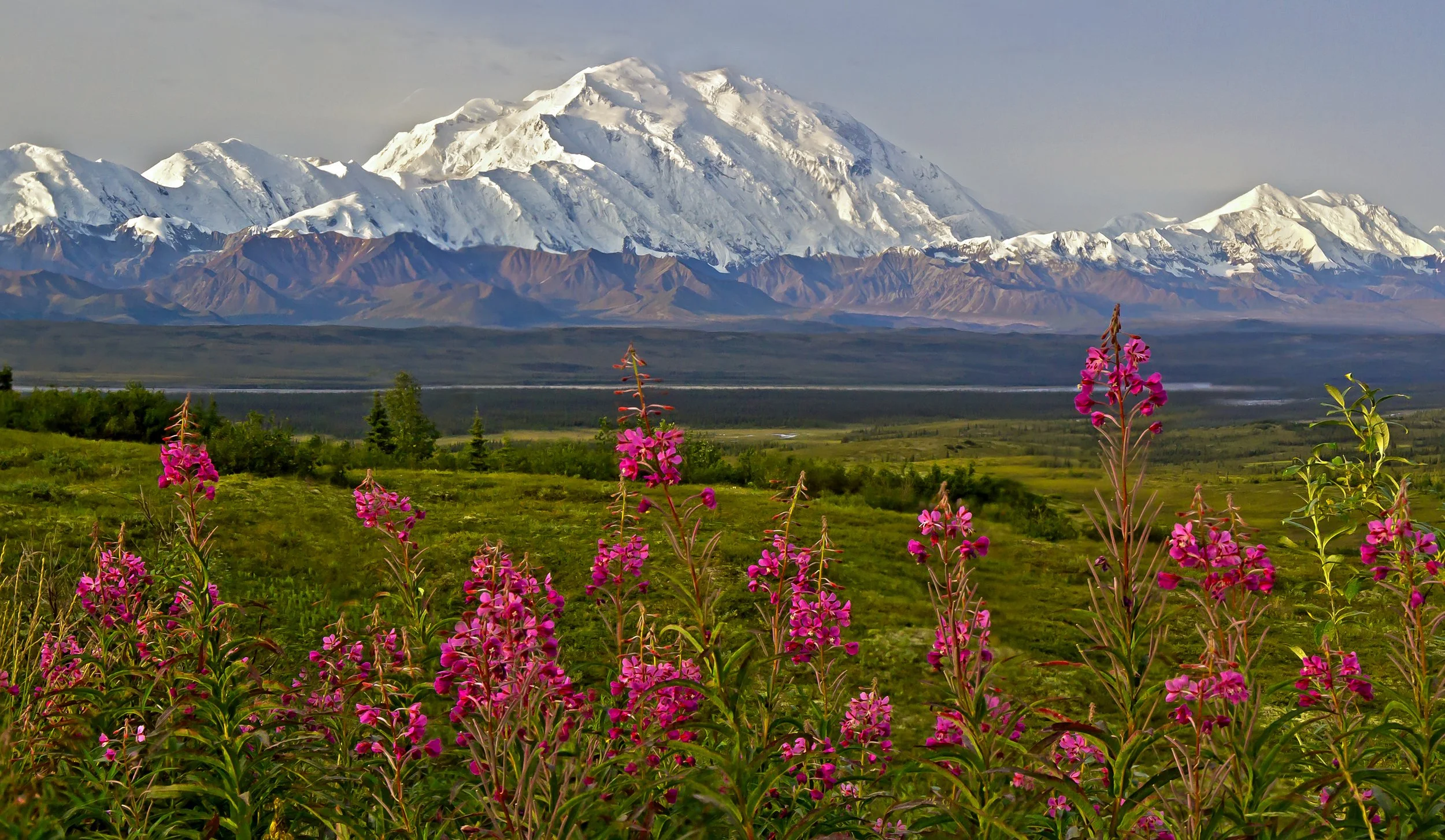
Denali National Park is the crown jewel of Alaska—six million acres of pure wilderness dominated by North America's tallest peak. But timing your visit makes all the difference between an unforgettable experience and a disappointing one.
The park looks, feels, and functions completely differently depending on when you visit. Summer brings 20+ hours of daylight and active wildlife. Fall explodes with color. Winter transforms the landscape into a frozen wonderland. And spring? Well, spring is complicated.
This complete seasonal guide breaks down exactly when to visit Denali National Park based on what you want to see, what you want to do, and what kind of experience you're after. Whether you're chasing grizzly bears, fall colors, or simply that rare glimpse of the mountain itself, this guide will help you choose your perfect Denali timing.
🏔️ Understanding Denali's Seasons
Denali operates on a different seasonal calendar than most national parks. The park is accessible year-round, but the experience changes dramatically:
Peak Summer Season (June–August): Park road open deep into the park, all tours running, maximum wildlife activity, most crowds
Shoulder Seasons (May & September): Partial park access, fewer crowds, changing landscapes, variable weather
Winter Season (October–April): Very limited access, winter activities only, extreme cold, minimal services
Each season offers something unique. None are objectively "better"—they're just different.
Why Timing Matters at Denali
Three major factors affect your Denali experience:
1. Park Road Access
The 92-mile Denali Park Road is the park's lifeline. Private vehicles can only drive to Mile 15 year-round. Beyond that, you need to take park buses or authorized tours.
When the road is fully open: Late May through mid-September (weather dependent)
When the road is closed: Mid-September through late May (exact dates vary yearly)
Road access determines how deep into the park you can go, which directly affects wildlife viewing opportunities.
2. Wildlife Activity
Different animals are active at different times:
Bears: Active May–September (hibernating otherwise)
Caribou: Year-round, but migration timing varies
Moose: Year-round, calves born in May/June
Dall sheep: Year-round, lambs born in May/June
Wolves: Year-round but rarely seen
Summer offers the most wildlife diversity. Winter has fewer species active.
3. Mountain Visibility
Denali (the mountain) creates its own weather. Only about 30% of summer visitors actually see the peak due to clouds.
Best visibility months: February, March (winter), and September (fall)
Most likely to be clouded: June, July (ironically, peak tourist season)
This is why timing matters—the "best" time for tourists isn't always the best time to actually see the mountain.
Month-by-Month Denali Guide
January
What to expect:
Temperature: -20°F to 10°F (-29°C to -12°C)
Daylight: 5–6 hours
Park road: Closed beyond Mile 15
Visitors: Very few
Pros:
Excellent mountain visibility on clear days
True wilderness solitude
Cross-country skiing and snowshoeing available
No crowds whatsoever
Cons:
Extremely cold
Very limited daylight
Most park services closed
Road access minimal
Best for: Hardcore winter enthusiasts, photographers seeking winter landscapes
Can you visit? Yes, but expect a completely different experience focused on the entrance area.
February
What to expect:
Temperature: -15°F to 15°F (-26°C to -9°C)
Daylight: 7–9 hours (increasing)
Park road: Closed beyond Mile 15
Visitors: Very few
Pros:
Best month for seeing Denali (the mountain) due to clear weather
Increasing daylight
Winter activities available
Spectacular winter scenery
Cons:
Still very cold
Limited park access
Most wildlife hibernating or less active
Few services operating
Best for: Mountain photographers, winter sports enthusiasts
Activities: Cross-country skiing, snowshoeing, winter camping (experienced only)
March
What to expect:
Temperature: -10°F to 25°F (-23°C to -4°C)
Daylight: 11–13 hours
Park road: Still closed beyond Mile 15
Visitors: Still minimal
Pros:
Good mountain visibility continues
Much longer days
Late winter activities still available
Spring starting to hint its arrival
Cons:
Cold but starting to warm (creating messy conditions)
Road still closed
Most summer activities not yet available
Limited accommodations
Best for: Late winter visitors, those seeking solitude with better weather than deep winter
April
What to expect:
Temperature: 10°F to 40°F (-12°C to 4°C)
Daylight: 15–17 hours
Park road: Still closed beyond Mile 15, but preparing to open
Visitors: Increasing slightly
Pros:
Significantly warmer
Long daylight hours returning
Snow still beautiful but spring approaching
Very few crowds
Cons:
Messy transition season (melting, mud)
Park road not yet open
Most tours not operating yet
Some wildlife still in dens
Best for: Budget travelers (low season rates), photography of transitional landscapes
Note: This is the least popular month to visit—caught between winter and summer seasons.
May
What to expect:
Temperature: 25°F to 55°F (-4°C to 13°C)
Daylight: 18–20 hours
Park road: Opens late May (usually around Memorial Day weekend)
Visitors: Increasing as road opens
Pros:
Park road starts opening
Wildlife emerging (bears coming out of dens, babies being born)
Snow-capped peaks with emerging green valleys
Fewer crowds than summer
Shoulder season pricing
Incredible light (long days)
Cons:
Weather still unpredictable
Not all of park road open yet (progressive opening)
Can still be cold
Some tours just starting operations
Best for: Wildlife enthusiasts (baby animals!), photographers, budget-conscious travelers
Wildlife highlights: Bear cubs, moose calves, Dall sheep lambs, migrating caribou
Is this a good time? Yes, especially late May. This is an underrated time to visit.
June
What to expect:
Temperature: 40°F to 65°F (4°C to 18°C)
Daylight: 20+ hours (peak near summer solstice: almost 24 hours)
Park road: Fully open by mid-June
Visitors: Increasing significantly
Pros:
Full park access
All tours operating
Wildflowers beginning to bloom
Baby animals still small and cute
Nearly 24-hour daylight around solstice
Comfortable temperatures
Cons:
Mountain often clouded (Denali creates its own weather)
Mosquitoes emerging
Crowds increasing
Prices rising toward peak season
Best for: First-time visitors, families, those wanting maximum daylight
Wildlife: Bears active, caribou calving, moose with calves, Dall sheep, ground squirrels everywhere
Pro tip: Early June (before mid-month) offers better value with fewer crowds than late June.
July
Peak season has arrived.
What to expect:
Temperature: 45°F to 70°F (7°C to 21°C)
Daylight: 19+ hours (still very long)
Park road: Fully open
Visitors: Maximum crowds
Pros:
Warmest month
All activities available
Wildflowers at peak
Wildlife very active
Longest operating hours for everything
Cons:
Most expensive month
Most crowded (tours book up weeks in advance)
Mountain frequently obscured by clouds
Worst month for mosquitoes
Competition for campgrounds
Best for: Families (school's out), those with inflexible dates, experiencing peak Denali energy
Wildlife: Bears fishing if salmon runs are on, caribou, moose, Dall sheep, marmots, ground squirrels
Booking note: Reserve bus tours and accommodations at least 6–8 weeks ahead for July.
August
Still peak season but shifting.
What to expect:
Temperature: 40°F to 65°F (4°C to 18°C)
Daylight: 16–18 hours (noticeably shorter than June/July)
Park road: Fully open
Visitors: Still high but starting to decrease late month
Pros:
Still warm and comfortable
All activities operating
Fall colors beginning (especially late August)
Mosquitoes decreasing
Slightly fewer crowds than July
Berry season (bears actively feeding)
Cons:
Still expensive
Days noticeably shorter
Weather becoming more variable
Mountain still often clouded
Best for: Wildlife viewing (bears fattening up for winter), berry enthusiasts, those who can't do July
Wildlife highlight: Bears are very active, feeding heavily on berries in preparation for hibernation. This is excellent bear viewing time.
Pro tip: Late August offers better wildlife viewing than early August due to increased bear activity.
September
This is when Denali changes dramatically.
What to expect:
Temperature: 30°F to 50°F (-1°C to 10°C)
Daylight: 13–15 hours
Park road: Closes mid-September (usually around 15th-20th)
Visitors: Dropping significantly
Pros:
Fall colors are spectacular (best in early September)
Best month for seeing Denali (the mountain) due to clearer weather
Much fewer crowds
Shoulder season pricing returns
Wildlife still active early month
No mosquitoes
Crisp, clear air
Cons:
Park road closes mid-month
Bears enter dens by late September
Weather can be cold and snowy
Days getting noticeably shorter
Some services closing
Best for: Photographers (fall colors + mountain views), budget travelers, those seeking solitude
Why September is special: This is many Alaskans' favorite month to visit Denali. The tundra turns brilliant red, gold, and orange. The crowds vanish. And most importantly, the mountain is visible far more often than in summer.
When to go in September: Early September (before road closure) for maximum flexibility. You can still access deep park areas and catch peak fall colors.
October
Transition to winter.
What to expect:
Temperature: 10°F to 35°F (-12°C to 2°C)
Daylight: 10–12 hours
Park road: Closed beyond Mile 15
Visitors: Minimal
Pros:
Solitude
Snow creates beautiful landscapes
Early winter activities becoming available
Very cheap (if anything is open)
Cons:
Most everything closed
Bears hibernating
Road access very limited
Cold and potentially snowy
Best for: Those seeking absolute solitude, early winter enthusiasts
Can you visit? Yes, but expect very limited services and activities.
November & December
Deep winter.
What to expect:
Temperature: -20°F to 10°F (-29°C to -12°C)
Daylight: 4–6 hours (December darkest)
Park road: Closed
Visitors: Extremely few
Pros:
Complete solitude
Winter beauty
If you're here, you're having a unique experience
Cons:
Extremely cold
Very limited daylight
Almost everything closed
Difficult access
Best for: Extreme winter adventurers only
Practical note: Most people don't visit Denali in November/December. If you want a winter Alaska experience, Fairbanks area Northern Lights tours make more sense.
→ Check out our Winter Tours for better winter Alaska options
Best Times to Visit Denali (By Priority)
Best for First-Time Visitors
When: Late May through early September
Why: Full park access, all tours running, comfortable weather, active wildlife
Sweet spot: Late May or early June (fewer crowds, better value, still excellent)
Best for Seeing Denali (The Mountain)
When: September, February, March
Why: Clearer weather, fewer clouds around the peak
Note: Summer months have the worst mountain visibility despite being peak season
Best for Wildlife Viewing
When: Late May through mid-September
Peak months: Late August (bears fattening up), early June (babies still young)
Why: Most diverse wildlife activity, bears active, migration happening
Best for Fall Colors
When: Early September (typically first two weeks)
Why: Tundra turns brilliant colors, still accessible before road closes
Pro tip: Combine with mountain viewing—September offers both
Best for Avoiding Crowds
When: May, September, or winter months
Sweet spot: Late May or early September (still decent weather but way fewer people)
Best for Budget Travel
When: May, September, winter
Why: Shoulder season/off-season pricing (30–50% less than peak summer)
Best value: May (great weather, low prices, increasing access)
→ Read our complete Alaska Budget Guide for more money-saving tips
Best for Photography
When: September (fall colors + mountain visibility) or late winter (February/March)
Summer alternative: Early morning in June (best light, fewer tour buses)
Denali Tours: What's Available When
Summer Bus Tours (Late May–Mid-September)
These are the main way to access the park's interior.
Types of tours:
Tundra Wilderness Tour (7–8 hours, Mile 53)
Denali Natural History Tour (4–5 hours, Mile 17)
Kantishna Experience (Full day, Mile 92)
Best months: June through August for full tour availability
Best value months: May and September (same tours, lower prices)
Booking: Reserve 6–8 weeks ahead for peak summer, 2–4 weeks for shoulder season
Wildlife success rate: High throughout summer, excellent in late August/early September
Flightseeing Tours (Year-Round)
These operate in both summer and winter (weather permitting).
What you see:
Aerial views of Denali
Massive glaciers
Wildlife from above (summer)
Often includes glacier landing
Best months for flightseeing:
Summer: June through August (warmest, most comfortable)
Winter: February/March (best mountain visibility)
Advantage: Not dependent on park road being open
→ Book K2 Aviation Flightseeing Tours from Talkeetna
Backcountry Hiking (June–September)
For experienced hikers, Denali offers incredible backcountry opportunities.
Best months: July and August (most trails accessible, best weather)
Permit required: Yes, and they're competitive in peak season
Note: This is advanced wilderness travel—come prepared
Winter Activities (November–March)
Cross-country skiing
Snowshoeing
Winter camping (hardcore only)
Dog sledding (outside park)
Best base: Talkeetna area for winter Denali views and activities
Weather Considerations
Summer Weather Reality Check
Denali weather is notoriously unpredictable, even in summer.
What to expect:
Temperature swings of 30°F in a day
Rain possible any time
Snow possible even in July at higher elevations
Wind common
Clouds forming around Denali peak (blocking views)
What to pack:
Layers you can add/remove
Rain jacket (essential)
Warm fleece or puffy jacket
Hat and gloves (yes, even in summer)
Sturdy, waterproof hiking boots
Why Denali Creates Its Own Weather
At 20,310 feet, Denali is so tall it literally creates weather systems. Moist air hits the mountain, rises, cools, and forms clouds—which is why the peak is clouded 70% of the time in summer.
This is also why September's clearer, drier weather offers better viewing despite being colder.
Sample Denali Itineraries by Season
Classic Summer Visit (3 Days)
Best timing: Late May, June, or early September
Day 1: Arrive at park, explore visitor center, short hike near entrance
Day 2: Full-day Denali bus tour (Tundra Wilderness or longer)
Day 3: Flightseeing tour from Talkeetna, explore town
Cost estimate: $800–$1,200 per person (tours + lodging)
Fall Colors Special (2 Days)
Best timing: First two weeks of September
Day 1: Morning bus tour (before road closure), afternoon photography at park entrance
Day 2: Flightseeing tour, scenic drive around area
Cost estimate: $500–$800 per person
Bonus: Excellent mountain viewing odds
Winter Adventure (2 Days)
Best timing: February or March
Day 1: Cross-country skiing or snowshoeing near park entrance
Day 2: Flightseeing tour for aerial Denali views
Base: Stay in Talkeetna area for winter Denali experience
Cost estimate: $400–$600 per person
Combining Denali with Other Alaska Destinations
Denali works well in multi-destination itineraries:
Classic Alaska Loop (7 Days)
Days 1–2: Anchorage
Day 3: Seward (Kenai Fjords)
Day 4: Drive to Talkeetna
Day 5: Talkeetna (flightseeing)
Day 6–7: Denali
Return to Anchorage
→ See our complete 7-Day Alaska Itinerary
Summer Wildlife Focus (5 Days)
Days 1–2: Denali (bus tours)
Day 3: Drive to Talkeetna (flightseeing)
Days 4–5: Seward area (Kenai Fjords, wildlife)
Fall Colors Tour (4 Days)
Days 1–2: Denali (early September)
Day 3: Talkeetna
Day 4: Drive Denali Highway (peak fall colors)
Practical Planning Tips
How Far in Advance to Book
Peak summer (July): 8–12 weeks for bus tours, 6+ months for popular lodges
Shoulder season (May, June, September): 4–6 weeks for tours
Last-minute (within 2 weeks): Possible in May or September, very difficult in July/August
How Many Days to Spend
Minimum: 2 days (one for bus tour, one for backup/other activities)
Recommended: 3 days (allows weather flexibility)
Ideal: 4 days (two bus tour attempts, flightseeing, hiking)
Where to Stay
Inside the park: Very limited options, book 6+ months ahead
Park entrance area: Most popular, good selection
Talkeetna: About 2.5 hours from park, charming base (especially for flightseeing)
Healy: 10 miles north, budget-friendly options
Do You Need a Car?
Pros of having a car:
Flexibility
Access to trailheads
Can explore at your own pace
Cons:
Can't drive past Mile 15 anyway
Adds cost
Alternative: Take Alaska Railroad to Denali, use park shuttles and tours
Common Denali Questions
What percentage of visitors actually see Denali?
Only about 30% during summer months. September has the best odds (60–70% on clear days).
Can you see wildlife from the road?
Yes! The park road offers excellent wildlife viewing. Animals often wander near or across the road.
Is it worth visiting if you don't see the mountain?
Absolutely. The wildlife, landscapes, and wilderness experience are incredible even when Denali is clouded.
Can you visit Denali in winter?
Yes, but it's a completely different experience focused on the entrance area. Road access is minimal.
How cold does it get?
Summer: 40–70°F typically Winter: -20°F to 20°F (can be much colder)
Are there bears in Denali?
Yes, both grizzly and black bears. They're active May through September. Follow all bear safety protocols.
What's the best month overall?
Depends on priorities, but late May or early September offer the best balance of access, weather, wildlife, and value for most visitors.
What Makes Each Season Special
Summer's Magic
Long days, active wildlife, full access, vibrant life everywhere. This is Denali at its most accessible and alive.
Fall's Beauty
Brilliant colors, clear skies, mountain views, solitude. This is Denali at its most beautiful and serene.
Winter's Drama
Frozen landscapes, extreme conditions, pristine solitude. This is Denali at its most raw and powerful.
Spring's Promise
Emerging life, lengthening days, transitional beauty. This is Denali at its most hopeful.
Final Recommendations
First-Time Visitors
Visit: Late May through early September
Best single month: Late May or early June (great weather, fewer crowds, baby animals, good value)
Alternative: Early September (fall colors, mountain views, fewer tourists)
Returning Visitors
Try the opposite season: If you visited in summer, come back in September for fall colors and better mountain views
Mountain Seekers
Visit: September (best odds of actually seeing Denali)
Alternative: February or March (winter flightseeing)
Wildlife Enthusiasts
Visit: Late May through early September
Peak wildlife: Late August (bears very active)
Budget Travelers
Visit: May or September (30–50% cheaper than peak summer)
Super budget: Winter (if you're prepared for extreme conditions)
Photographers
Visit: Early September (fall colors + mountain visibility)
Alternative: Late May (spring landscapes, long light)
The Truth About Denali
Here's what you need to know: Denali National Park will likely exceed your expectations regardless of when you visit—if you come with the right mindset.
Summer offers maximum accessibility and wildlife. Fall offers maximum beauty and mountain views. Winter offers maximum solitude and drama.
There's no perfect time for everyone. But there is a perfect time for you.
The mountain might be clouded when you visit. Weather might disrupt your plans. You might see ten grizzly bears or none. That's Denali—wild, unpredictable, and absolutely worth experiencing.
Ready to plan your Denali visit?
→ Browse our All Alaska Tours
→ Summer Denali options: Summer Tours
→ Winter Alaska experiences: Winter Tours
→ Questions? Check our FAQ or Contact Us
Denali is waiting. Choose your season, embrace the unpredictability, and prepare for one of North America's greatest wilderness experiences.