
Alaska in Summer vs Winter: Which Season is Right for You?
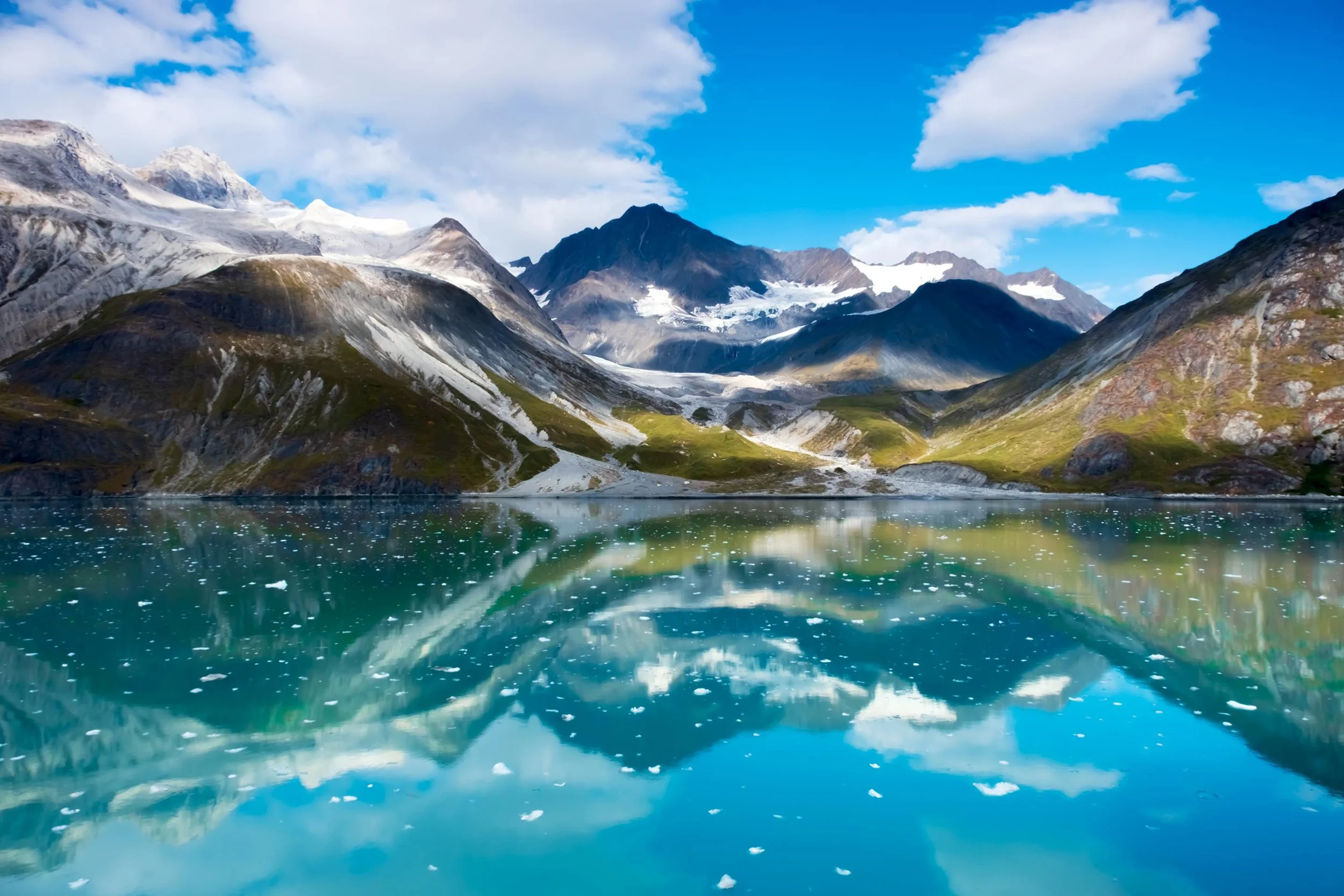
Choosing when to visit Alaska is one of the biggest decisions you'll make when planning your trip. Summer and winter offer completely different experiences—different landscapes, different activities, different wildlife, and even different versions of Alaska itself.
This isn't a simple "one is better than the other" situation. The right season for you depends on what you want to see, what you want to do, and what kind of traveler you are. Some people dream of midnight sun and glaciers calving into the ocean. Others want to chase the Northern Lights across a frozen sky.
This guide breaks down everything you need to know about Alaska in summer versus winter so you can choose the season that matches your Alaska dreams.
🌞 Alaska Summer Overview (May–September)
Summer is Alaska's peak tourist season—and for good reason. The state comes alive with wildlife, wildflowers, and nearly endless daylight.
What Summer Looks Like
Temperature range: 50–70°F (10–21°C) in most areas, warmer in interior Alaska
Daylight: 18–24 hours depending on latitude and month
Landscape: Green forests, blooming tundra, flowing rivers, accessible trails
Crowds: Highest from mid-June through mid-August
What's open: Almost everything—tours, parks, roads, attractions
Summer Alaska is the version most people imagine: verdant landscapes, active wildlife, comfortable temperatures, and that famous midnight sun glow.
❄️ Alaska Winter Overview (October–April)
Winter transforms Alaska into something otherworldly. Snow blankets everything, temperatures plummet, and darkness brings the Northern Lights.
What Winter Looks Like
Temperature range: 0–30°F (-18 to -1°C) in most areas, colder in interior Alaska
Daylight: 4–10 hours depending on latitude and month (December/January darkest)
Landscape: Snow-covered mountains, frozen rivers, frost-covered trees, northern lights
Crowds: Much quieter, especially mid-week and outside holidays
What's open: Winter-specific experiences (aurora tours, dog sledding, ice activities)
Winter Alaska is a completely different world—quieter, colder, darker, and spectacular in ways summer can't match.
Weather & Daylight Comparison
Summer Weather
Pros:
Comfortable temperatures (rarely extreme heat)
Long daylight hours for activities
Milder conditions for outdoor adventures
Cons:
Rain is common (bring good rain gear)
Mosquitoes in June and July
Unpredictable weather swings
What to pack: Layers, rain jacket, light fleece, hiking boots, sun protection
Winter Weather
Pros:
Crisp, clear days (especially February/March)
Snow creates stunning scenery
Darkness enables Northern Lights viewing
Cons:
Very cold temperatures (proper gear essential)
Ice and snow on roads
Short daylight limits daily activities
What to pack: Extreme cold weather gear, insulated boots, multiple layers, hand warmers
Winner: Depends on your tolerance. Summer is objectively more comfortable. Winter requires preparation but rewards those who embrace it.
For complete packing guidance, check our Alaska Travel FAQ.
Wildlife Viewing: Summer vs Winter
Summer Wildlife
Alaska's summer wildlife viewing is world-class.
What you'll see:
Grizzly and brown bears – Fishing for salmon, grazing on tundra
Moose – With calves, feeding in wetlands
Caribou – Migrating across tundra
Dall sheep – On mountain slopes
Whales – Humpbacks, orcas, gray whales in coastal waters
Sea otters, seals, sea lions – In fjords and bays
Bald eagles – Everywhere, especially near water
Puffins and seabirds – Nesting on coastal cliffs
Best wildlife tours:
Denali National Park bus tours (bears, caribou, moose, wolves)
Kenai Fjords boat cruises (whales, otters, seals, puffins)
Bear viewing fly-ins (coastal brown bears)
Peak wildlife months: June through August
→ Explore Summer Tours for wildlife viewing options
Winter Wildlife
Winter wildlife is more subtle but still present.
What you'll see:
Moose – Active year-round, often near roads
Caribou – Winter herds
Dall sheep – Against snowy mountain backgrounds
Ptarmigan – Winter-white birds
Ravens and winter birds – Active even in extreme cold
Occasional wolves – Rare but possible
What you won't see:
Bears (hibernating)
Whales (migrated south)
Most summer birds (migrated)
Winner: Summer dominates for wildlife diversity and viewing opportunities. Winter has its own beauty but much less wildlife activity.
Activities & Experiences: What's Possible When
Summer-Only Activities
These experiences are only available or practical in summer:
Boat Tours
Kenai Fjords glacier and wildlife cruises
Prince William Sound tours
Whale watching expeditions
Wildlife Viewing
Bear viewing (bears hibernate in winter)
Whale watching (whales migrate south)
Summer bird watching
Hiking
Most trails accessible and snow-free
Multi-day backpacking trips
Alpine hiking
Fishing
Salmon fishing (runs happen in summer)
Halibut charters
River fishing
Camping
Comfortable temperatures
Extended daylight
Full campground access
Park Access
Denali Park Road fully open (buses run)
Remote areas accessible
Full park services operating
Best for: First-time visitors wanting the "classic Alaska experience"
Winter-Only Activities
These experiences are only available or practical in winter:
Northern Lights
Aurora viewing tours
Aurora photography
Multi-night aurora chasing
Snow Sports
Dog sledding
Snowmobiling
Cross-country skiing
Downhill skiing/snowboarding
Ice climbing
Fat tire biking
Winter Experiences
Ice fishing
Hot springs in snow
Winter flightseeing (different perspective)
Ice sculpture viewing
Cultural Experiences
Iditarod (March)
Winter festivals
Smaller crowds at museums
Best for: Northern Lights enthusiasts, winter sports lovers, unique experiences
→ Browse Winter Tours for cold-weather adventures
Year-Round Activities
Some experiences work in both seasons (with different flavors):
Flightseeing
Summer: Green landscapes, visible glaciers
Winter: Snow-covered peaks, different lighting
→ Check out K2 Aviation Flightseeing Tours
Helicopter Tours
Summer: Glacier landings, wildflowers
Winter: Snowy wilderness, possible aurora from the air
→ Explore Alaska Helicopter Tours
Cultural Tours
Museums operate year-round
Alaska Native heritage centers
Historical sites
Wildlife Conservation Center
Open year-round
See animals in both summer and winter coats
Winner: Summer offers more activity variety. Winter has unique experiences you can't find elsewhere.
Scenery & Photography
Summer Scenery
Characteristics:
Vibrant greens and blooming wildflowers
Glaciers against green valleys
Turquoise glacier-fed rivers
Waterfalls at peak flow
Midnight sun golden hour (all night)
Photography advantages:
Long shooting hours (20+ hours of usable light)
Wildlife more active and visible
Colorful landscapes
Dramatic weather (clouds, rainbows)
Photography challenges:
Harsh midday light (sun barely sets)
Crowds at popular viewpoints
Variable weather
Best summer photo ops:
Glaciers calving
Bears fishing
Wildflower meadows
Midnight sun landscapes
Winter Scenery
Characteristics:
Snow-covered mountains and forests
Frost-covered trees (hoarfrost)
Northern Lights displays
Ice formations
Dramatic light (low angle sun)
Blue hour all day (short winter days)
Photography advantages:
Northern Lights
Unique winter light quality
Empty landscapes (no crowds)
Dramatic contrasts (white snow, dark sky)
Photography challenges:
Limited daylight hours
Extreme cold (batteries drain fast)
Less wildlife
Difficult conditions (snow, ice)
Best winter photo ops:
Northern Lights
Snowy mountain landscapes
Dog sledding action shots
Ice formations
Winner: Tie. Both offer spectacular photography, just completely different styles.
Crowds & Atmosphere
Summer Crowds
Peak season: Mid-June through mid-August
What to expect:
Popular attractions are busy
Tours book up weeks/months ahead
Cruise ship crowds in coastal towns
Higher prices across the board
More vehicles on scenic highways
Busiest places:
Denali National Park
Seward and Kenai Fjords
Anchorage downtown
Talkeetna
How to avoid crowds:
Visit in May or September
Book early morning tours
Choose less-popular trails
Visit mid-week instead of weekends
Winter Crowds
Atmosphere: Much quieter overall
What to expect:
Attractions have minimal crowds
Tours have availability (except peak Northern Lights weeks)
More intimate experiences
Locals have more time to chat
Peaceful wilderness feel
Busiest times:
Christmas/New Year's holidays
Late February (Northern Lights peak)
March (Iditarod time)
Winner: Winter for solitude seekers. Summer for those who enjoy vibrant tourist atmosphere.
Cost Comparison
Summer Costs
Flights: Most expensive (June–August)
Peak pricing: $500–$1,000+ round trip from Lower 48
Accommodations: Premium pricing
Hotels: $150–$300+/night
Hostels: $40–$60/night
Camping: $20–$35/night
Tours: Peak pricing
Kenai Fjords cruise: $180–$350
Denali bus tour: $120–$180
Flightseeing: $300–$500
Rental cars: High demand pricing
$70–$100/day peak season
Food: Normal Alaska pricing (already higher than Lower 48)
Average 7-day summer trip: $2,500–$4,000 per person
Winter Costs
Flights: Cheaper (except holidays)
Off-peak: $300–$600 round trip from Lower 48
Accommodations: Significantly cheaper
Hotels: $80–$150/night (30–50% less than summer)
Hostels: $30–$45/night
Tours: Lower pricing overall
Northern Lights tours: $100–$150
Dog sledding: $100–$200
Winter activities: $80–$250
Rental cars: Lower rates (but may not need one)
$40–$60/day off-season
Food: Same as summer
Average 5-day winter trip: $1,200–$2,000 per person
Winner: Winter is substantially cheaper (30–40% savings possible)
Accessibility & Logistics
Summer Accessibility
What's open:
Nearly everything
All roads accessible
Full park access
All tours operating
Complete public services
Transportation:
Easy driving conditions
Alaska Railroad full schedule
Rental cars widely available
Regular flights to remote areas
Challenges:
Need to book ahead
Higher competition for resources
More crowded viewpoints
Winter Accessibility
What's limited:
Some roads closed (Denali Park Road past Mile 15)
Fewer tour operators
Limited park services
Some remote lodges closed
Transportation:
Winter driving requires caution (ice, snow)
Alaska Railroad limited schedule
Fewer flight options
Some areas inaccessible
Challenges:
Weather can cancel plans
Need winter-capable vehicle
Some attractions closed
Winner: Summer for ease and full access. Winter requires more planning and flexibility.
Best For Different Traveler Types
Choose Summer If You:
Are visiting Alaska for the first time
Want to see maximum wildlife diversity
Love hiking and outdoor activities
Prefer comfortable temperatures
Want to experience everything Alaska offers
Are traveling with kids or older adults
Have limited cold-weather gear
Want the most tour options
Ideal summer visitor: First-timer wanting the "classic Alaska experience"
Choose Winter If You:
Dream of seeing the Northern Lights
Love winter sports and snow
Prefer quiet, uncrowded experiences
Are on a tighter budget
Already visited in summer and want something different
Are a photographer seeking unique shots
Don't mind cold weather
Want a more adventurous trip
Ideal winter visitor: Northern Lights chaser or winter sports enthusiast
→ See Greatland Northern Lights Tours for winter aurora experiences
Consider Both If You:
Have the flexibility and want the complete Alaska experience. Summer and winter Alaska feel like two different places.
Month-by-Month Quick Guide
May (Late Spring/Early Summer)
Pros: Shoulder season pricing, blooming landscapes, increasing daylight, fewer crowds
Cons: Some snow still at elevation, cooler temps, some tours just starting
Best for: Budget travelers, avoiding crowds
Activities: Hiking, early wildlife viewing, flightseeing
June (Summer)
Pros: Longest days, wildflowers peak, all tours operating, comfortable temps
Cons: Mosquitoes emerge, prices rising, crowds increasing
Best for: Midnight sun lovers, maximum daylight
Activities: All summer activities, salmon runs begin
July (Peak Summer)
Pros: Warmest weather, peak wildlife viewing, all activities available
Cons: Most expensive, most crowded, worst mosquitoes
Best for: Those with limited date flexibility, families
Activities: Everything at peak season
August (Late Summer)
Pros: Still warm, fall colors beginning, fewer bugs, salmon runs strong
Cons: Days getting shorter, still expensive, still crowded
Best for: Wildlife and fishing enthusiasts
Activities: All summer activities, best fishing
September (Shoulder Season)
Pros: Fall colors, Northern Lights return, fewer crowds, lower prices
Cons: Some tours winding down, cooler weather, shorter days
Best for: Budget travelers, fall color lovers, early aurora chasers
Activities: Hiking, wildlife, aurora viewing begins
October–November (Fall/Early Winter)
Pros: Very cheap, Northern Lights active, snow arrives
Cons: Very limited services, short days, cold
Best for: Aurora enthusiasts on a budget
Activities: Northern Lights, early winter sports
December–January (Deep Winter)
Pros: Darkest skies (great for aurora), cheapest rates, true winter experience
Cons: Extremely cold, very short days, many closures
Best for: Hardcore winter travelers, aurora photographers
Activities: Northern Lights, winter sports, ice activities
February (Winter)
Pros: More daylight returning, clearer weather, good aurora, winter activities peak
Cons: Still very cold, limited services
Best for: Northern Lights + winter sports combination
Activities: Aurora, dog sledding, skiing, ice climbing
March (Late Winter)
Pros: Increasing daylight, Iditarod, still good aurora, winter activities
Cons: Still cold, transitional weather
Best for: Iditarod fans, late winter visitors
Activities: Northern Lights, Iditarod, winter sports
April (Transition Season)
Pros: Longer days, last aurora opportunities, cheaper than summer
Cons: Messy transition (snow melting), some tours not yet running
Best for: Those seeking deals, late aurora chances
Activities: Late aurora, early hiking (lower elevations)
For complete month-by-month aurora timing, see our Northern Lights Month-by-Month Guide
Sample Itineraries: Summer vs Winter
7-Day Summer Alaska Itinerary
Day 1: Arrive Anchorage, explore city
Day 2: Drive to Seward, Kenai Fjords boat tour
Day 3: Seward area (Exit Glacier hike, kayaking)
Day 4: Drive to Talkeetna, flightseeing tour
Day 5: Drive to Denali
Day 6: Denali bus tour (wildlife viewing)
Day 7: Return to Anchorage, depart
Highlights: Glaciers, wildlife, hiking, flightseeing
Estimated cost: $2,500–$3,500 per person
For the complete detailed version, see our 7-Day Alaska Itinerary
5-Day Winter Alaska Itinerary
Day 1: Arrive Fairbanks, settle in
Day 2: Northern Lights tour (evening)
Day 3: Dog sledding + aurora tour (evening)
Day 4: Chena Hot Springs day trip + aurora tour (evening)
Day 5: Morning flightseeing, depart
Highlights: Northern Lights, dog sledding, winter landscapes
Estimated cost: $1,500–$2,200 per person
Common Questions Answered
Can you see the Northern Lights in summer?
No. Alaska has nearly 24-hour daylight from May through early August, making aurora viewing impossible. Northern Lights require darkness.
→ Read our complete Northern Lights Beginner's Guide
Is Alaska too cold in winter for tourists?
Not if you prepare properly. With the right gear, winter Alaska is completely accessible. The cold is dry (easier to handle than humid cold), and heated vehicles/buildings provide warmth between activities.
Can you see bears in winter?
No. Bears hibernate from roughly October through April. Summer (June–September) is when bears are active.
Is it worth visiting Alaska if I can only go in winter?
Absolutely. Winter Alaska offers unique experiences (Northern Lights, dog sledding, winter sports) you can't get in summer. It's different but equally magical.
What about spring or fall?
May and September are excellent shoulder seasons offering elements of both summer and winter at lower prices.
Can you do summer activities in winter or vice versa?
Some overlap (flightseeing, cultural tours), but most activities are season-specific. Plan your trip around what matters most to you.
Making Your Decision: Key Questions
Ask yourself these questions:
1. What's your #1 must-see experience?
Northern Lights → Winter
Wildlife diversity → Summer
Glaciers → Both seasons work
Hiking → Summer
2. What's your budget?
Tight budget → Winter or shoulder season
Moderate to high → Summer works
3. How do you handle cold?
Love cold/snow → Winter
Prefer mild → Summer
4. Have you been to Alaska before?
First time → Summer (more accessible)
Returning → Try the opposite season
5. When can you travel?
Flexible → Choose based on preferences
Fixed dates → Work with what you have
6. What's your travel style?
Adventurous → Winter
Traditional sightseeing → Summer
Photography focused → Both excellent (different styles)
The Honest Truth About Each Season
Summer Alaska Reality Check
What tourism materials show: Endless sunshine, abundant wildlife, perfect weather
The reality:
It rains frequently (bring rain gear)
Mosquitoes can be intense (June/July)
Popular spots are crowded
It's expensive
Weather is unpredictable
But also:
Wildlife viewing truly is spectacular
Landscapes are stunning
Activities are abundant
Accessibility is easy
It's Alaska at its most vibrant
Winter Alaska Reality Check
What tourism materials show: Perfect Northern Lights, magical snow scenes, cozy adventures
The reality:
It's genuinely very cold
Daylight is limited
Many things are closed
Weather can disrupt plans
You might not see Northern Lights (clouds happen)
But also:
Northern Lights are real and incredible
Prices are much better
Crowds are minimal
Winter landscapes are otherworldly
Experiences are unique
Both seasons have trade-offs. Both are worth experiencing.
Can't Decide? Here's What to Do
Option 1: Choose Based on Priority
Pick your #1 must-do experience and let that decide:
Northern Lights → Winter (no question)
Wildlife → Summer (much more diverse)
Budget travel → Winter (significant savings)
First Alaska trip → Summer (easier, more options)
Option 2: Split the Difference
Visit in May or September:
May: Late winter pricing, early summer experiences, spring landscapes
September: Fall colors, aurora returns, fewer crowds, better prices
Option 3: Visit Both
If you have the means and time, experience both seasons. They're so different that you'll essentially visit two different Alaskas.
Final Recommendations
Choose Summer If:
You want the safest bet for a first Alaska trip. Summer delivers the most well-rounded Alaska experience with maximum flexibility, activity options, and accessibility. Yes, it costs more and has crowds, but there's a reason most people visit in summer—it works.
→ Browse Summer Tours
Choose Winter If:
The Northern Lights are your primary motivation or you want a unique, adventurous Alaska experience. Winter also makes sense if you're budget-conscious or hate crowds. Be prepared for cold and limited daylight, but embrace the magic.
→ Browse Winter Tours
Choose Shoulder Season If:
You want elements of both at better prices. May and September are underrated gems that offer excellent experiences without peak season hassles.
Ready to Choose Your Alaska Season?
There's no wrong answer—only the right answer for you.
Summer Alaska is spectacular: green, alive, accessible, and packed with wildlife and activities. Winter Alaska is otherworldly: quiet, dramatic, unique, and illuminated by the Northern Lights.
The best Alaska trip is the one that matches your dreams, your budget, and your travel style.
Start planning your Alaska adventure:
→ See all year-round options: All Alaska Tours
→ Summer experiences: Summer Tours
→ Winter adventures: Winter Tours
→ Still have questions? Contact Us or check our FAQ
Whether you choose summer's midnight sun or winter's Northern Lights, Alaska will deliver magic. The only question is: which kind of magic calls to you?